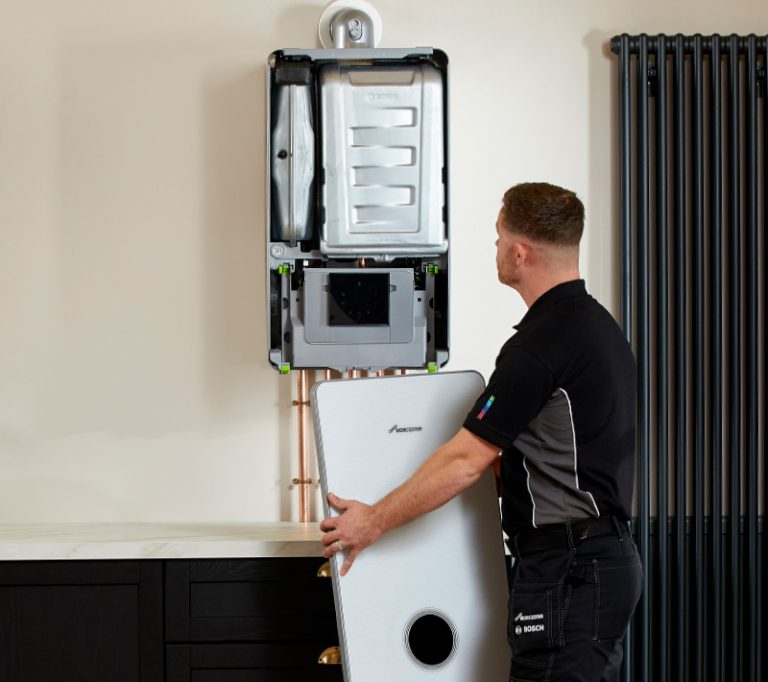
As April arrives and temperatures across West Sussex begin to climb, your boiler is probably the last thing on your mind. After months of working hard through winter, the heating finally gets a rest—and most homeowners breathe a sigh of relief and forget about it entirely until October.
But here’s the thing: April is actually the perfect time to book your spring boiler service. Not despite the warmer weather, but precisely because of it.
While everyone else ignores their heating until it fails on the first cold night of autumn, savvy homeowners are booking their annual service now—securing the best appointment times, avoiding the winter rush, and ensuring their boiler is ready to perform flawlessly when the temperature drops again.
In this guide, we’ll explain exactly why a spring boiler service makes such good sense, why April specifically hits the sweet spot for timing, and how booking now delivers benefits that waiting simply cannot match.
Why Your Boiler Needs Attention After Winter
Your boiler has just completed its most demanding period of the year. Understanding what it’s been through explains why spring servicing is so valuable.
The Winter Workload
Consider what your boiler endured over the past five to six months:
Operating Hours: During winter, a typical boiler runs six to ten hours daily compared to just one to two hours in summer for hot water only. That’s roughly 1,200 to 1,500 hours of intensive operation—equivalent to driving a car 40,000 miles.
Stress Factors:
- Frequent cycling on and off as thermostats call for heat
- Maximum output demands during cold snaps
- Continuous pump and valve operation
- Repeated ignition sequences
- Expansion and contraction from temperature changes
This intensive use creates wear that’s invisible to homeowners but detectable by trained engineers during servicing.
What Happens Without Spring Service
When boilers don’t receive post-winter attention, small issues compound:
Months 1-3 (Spring/Summer): Minor wear goes unnoticed. Efficiency begins declining slightly. No immediate symptoms appear because heating demand is minimal.
Months 4-6 (Late Summer/Autumn): Dust and debris accumulate on dormant components. Seals dry out. Problems that would have been caught in spring worsen.
Month 7+ (Winter Returns): Boiler struggles when heating demand resumes. Higher bills from reduced efficiency. Increased breakdown risk at the worst possible time.
A spring boiler service interrupts this cycle, catching issues while they’re minor and ensuring your boiler rests during summer in optimal condition.
Why April Specifically Is the Sweet Spot
While any spring month offers advantages over autumn or winter servicing, April provides the ideal combination of factors.
Winter Is Definitively Over
By April, even the coldest West Sussex springs have typically turned the corner:
- Heating demand has dropped significantly
- No risk of needing urgent heating during service
- Any issues found can be addressed without pressure
- Comfortable temperatures if heating is briefly unavailable
March can still bring cold snaps requiring heating. May starts holiday season when availability changes. April sits perfectly in between.
Maximum Engineer Availability
The heating industry follows predictable seasonal patterns:
December-February: Engineers overwhelmed with emergency callouts. Waiting times stretch to days or weeks. Installation and servicing take a back seat to urgent repairs.
March: Tail end of busy season. Some emergency backlog remains. Engineers catching up from winter.
April: Optimal window opens. Emergency calls have dropped dramatically. Engineers have full capacity for planned work. Your service receives unhurried attention.
May-August: Good availability continues, but holiday periods create gaps. Some engineers take extended breaks.
September-October: Rush begins as homeowners remember heating before winter.
April represents that golden period when winter pressure has released but summer holidays haven’t yet fragmented availability.
Best Pricing and Promotions
Many heating companies, including those across West Sussex, offer spring incentives:
Why Companies Offer Spring Deals:
- Filling quieter appointment books
- Rewarding customers who book proactively
- Building relationships before winter rush
- Maintaining steady workflow year-round
Typical Spring Benefits:
- Promotional service pricing
- Package deals combining service with system checks
- Priority booking for any follow-up work
- No emergency premiums or rushed job pricing
According to Checkatrade’s analysis of heating industry pricing, service costs can be 10-15% lower during off-peak spring months compared to autumn when demand surges.
Time to Address Any Issues
Perhaps the most valuable aspect of April timing is what happens after the service.
If Issues Are Found:
- Weeks or months to arrange repairs
- Time to obtain quotes and compare options
- Budget planning opportunity if significant work needed
- No urgency—heating not currently essential
If Replacement Is Recommended:
- Research boiler options thoroughly
- Compare installation quotes
- Arrange financing if required
- Schedule installation at your convenience
- Potentially benefit from summer installation pricing
Compare this to October servicing where any issues found demand immediate attention before winter, limiting your options and increasing pressure.
What Happens During a Spring Boiler Service
Understanding exactly what your service includes demonstrates its value.
Comprehensive Safety Testing
Every professional boiler servicing appointment prioritises safety:
Gas Safety Checks:
- Gas pressure measurement at meter and appliance
- Gas flow rate verification
- Leak detection on all connections
- Gas valve operation testing
Combustion Analysis:
- Flue gas analysis for correct combustion
- Carbon monoxide level measurement
- Oxygen and carbon dioxide ratio verification
- Combustion efficiency calculation
Flue Inspection:
- Visual examination of flue condition
- Seal integrity check
- Clearance verification
- Terminal inspection for blockages
Safety Device Testing:
- Overheat thermostat function
- Pressure relief valve operation
- Flame supervision device check
- Safety shutdown verification
These checks protect your family from carbon monoxide risks and ensure your boiler operates safely.
Performance Inspection
Beyond safety, engineers assess operational health:
Internal Components:
- Heat exchanger examination for cracks or corrosion
- Burner inspection and cleaning
- Ignition electrode condition
- Fan operation and condition
- Pump performance check
Controls and Sensors:
- Thermostat accuracy verification
- Sensor function testing
- PCB visual inspection
- Wiring connection checks
System Integration:
- Pressure vessel assessment
- System pressure verification
- Expansion vessel check
- Condensate drainage inspection
Cleaning and Optimisation
Spring servicing isn’t just inspection—it’s active maintenance:
Cleaning Tasks:
- Burner cleaning to remove winter deposits
- Heat exchanger cleaning where accessible
- Condensate trap clearing
- Filter cleaning if fitted
Calibration:
- Burner adjustment for optimal combustion
- Gas pressure fine-tuning
- Control calibration
- Timing verification
Optimisation:
- Efficiency maximisation
- Settings review for spring/summer operation
- Hot water temperature verification
Documentation and Recommendations
Every service concludes with proper documentation:
- Detailed service report
- Gas safety record
- Findings and observations
- Recommendations for any work needed
- Warranty validation stamp
- Next service reminder
This documentation protects your warranty, provides service history for future reference, and gives you clear information about your boiler’s condition.
The Financial Case for April Servicing
Spring boiler servicing delivers measurable financial returns that far exceed its cost.
Immediate Savings
Service Pricing: April services often benefit from competitive pricing. While a winter emergency callout might cost £150-250 before any repair work, a scheduled spring service typically costs £80-120—representing immediate savings for proactive customers.
Efficiency Restoration: After winter’s intensive operation, your boiler may have lost efficiency through deposits and wear. A service restores optimal performance, immediately reducing energy waste.
Ongoing Bill Reduction
Maintained Efficiency: A serviced boiler maintains its designed efficiency rating (90-94% for modern condensing boilers). Without servicing, efficiency gradually declines—potentially costing an additional £100-200 annually in wasted energy.
Hot Water Economy: Your boiler provides hot water year-round. Even when heating isn’t needed, efficient hot water production saves money through spring and summer.
Avoided Emergency Costs
Prevention vs Cure: Issues caught during April service cost a fraction of emergency repairs:
| Problem | Spring Detection Cost | Winter Emergency Cost |
|---|---|---|
| Worn ignition electrode | £0 (monitoring) | £120-200 |
| Early seal wear | £30-50 repair | £150-250 emergency |
| Pump bearing noise | £0 (monitoring) | £200-350 replacement |
| PCB connection issue | £0 (tightening) | £250-400 emergency |
Avoided Callout Premiums: Emergency winter callouts carry significant premiums—evening, weekend, and holiday rates can double standard labour charges. Planned spring work avoids these entirely.
Extended Equipment Life
Lifespan Protection: Well-maintained boilers last 15-18 years compared to 8-12 years for neglected systems. With replacement costing £2,000-4,000, extending lifespan by 5+ years through regular servicing represents substantial savings.
Warranty Protection: Most manufacturers require annual servicing to maintain warranty validity. A single warranty repair on a premium boiler might exceed £500—easily justifying years of service costs.
What April Servicing Reveals After Winter
Spring timing specifically helps identify winter-related wear that might not appear at other times.
Heat Exchanger Condition
The heat exchanger works hardest during winter, transferring combustion heat to your heating water:
Winter Stress:
- Continuous high-temperature operation
- Potential scale build-up from hard water
- Thermal expansion stress on materials
- Condensate acidity effects
Spring Detection: Engineers can identify early scale formation, minor corrosion, or efficiency loss before these become serious problems. Post-winter inspection reveals the true condition after peak usage.
Ignition System Wear
Your boiler’s ignition system fires repeatedly during winter:
Winter Demand:
- Hundreds of ignition cycles daily
- Electrode wear from repeated sparking
- Carbon deposits on burner
- Flame sensor contamination
Spring Assessment: After winter’s intensive use, electrode condition and ignition reliability can be accurately assessed. Engineers determine whether components will last another season or need attention.
Pump and Valve Performance
Circulation components work continuously during heating season:
Winter Operation:
- Pump running 8-12 hours daily
- Thousands of valve actuations
- Bearing wear accumulation
- Seal stress from pressure changes
Post-Winter Check: Pump noise, flow rates, and valve operation reveal wear that developed over winter. Early detection prevents mid-winter failures when these components are most needed.
Condensate System Status
Condensing boilers produce acidic condensate that drains away:
Winter Challenges:
- Increased condensate production
- Potential freezing of external pipes
- Acidic wear on components
- Drain blockage risks
Spring Inspection: Engineers verify condensate drainage works correctly, insulation remains intact, and no freeze damage occurred. Any issues are addressed before next winter’s demands.
Preparing for Your April Service
Getting the most from your spring service requires minimal preparation.
Before the Engineer Arrives
Access Preparation:
- Clear area around boiler for easy access
- Ensure good lighting in boiler location
- Remove any items stored near the boiler
- Make sure the boiler is accessible (ladders for loft installations if needed)
Information Gathering:
- Locate boiler manual if available
- Note any issues experienced during winter
- Find previous service records
- Know your boiler’s approximate age
Practical Arrangements:
- Ensure someone over 18 will be home
- Allow 45-90 minutes for thorough service
- Have mobile phone available for any questions
Questions to Ask Your Engineer
About Your Boiler:
- What condition is it in overall?
- How many more years of service can I expect?
- Are any parts showing wear that needs monitoring?
- Is efficiency where it should be?
About Your System:
- Does the system water quality look acceptable?
- Would a magnetic filter benefit my system?
- Are there any improvements you’d recommend?
- Should I consider power flushing?
About Next Steps:
- When should I book next year’s service?
- Anything I should watch for between services?
- Are there any DIY maintenance tasks I can do?
After the Service
Documentation:
- File service report safely
- Note warranty stamp if applicable
- Record any recommendations made
- Set reminder for next year’s service
Follow-Up Actions:
- Schedule any recommended repairs
- Consider suggested improvements
- Adjust heating timer for spring/summer
- Test system briefly to confirm operation
Common April Service Findings
Knowing what engineers typically discover during spring services helps you understand potential outcomes.
Normal Wear (No Action Needed)
Many findings simply confirm your boiler is functioning correctly:
- Minor dust accumulation (cleaned during service)
- Pressure slightly low (adjusted during service)
- Small efficiency variation (calibrated during service)
- Normal component wear appropriate for age
These routine findings require no additional work—your service handles everything.
Advisory Findings (Monitor)
Some discoveries warrant monitoring without immediate action:
- Components approaching end of service life
- Early signs of wear to watch
- System improvements to consider
- Efficiency optimisation opportunities
Your engineer will explain what to watch for and when action might become necessary.
Recommended Repairs (Schedule)
Occasionally, services reveal issues needing attention:
Minor Repairs:
- Seal replacement
- Electrode cleaning or replacement
- Pressure vessel recharging
- Condensate trap clearing
Moderate Work:
- Valve replacement
- Sensor renewal
- Component adjustment
- System chemical treatment
April timing means these can be scheduled at your convenience rather than urgently.
Significant Findings (Plan Ahead)
Less commonly, spring services reveal more substantial issues:
- Heat exchanger deterioration
- Major component failure pending
- Efficiency below acceptable levels
- Safety concerns requiring attention
While never welcome news, discovering these in April provides maximum time to plan, budget, and arrange work before winter returns.
Booking Your April Service
Securing your preferred appointment requires prompt action.
When to Book
Ideal Timing: Book during March for April appointments. This ensures:
- Choice of dates and times
- Preferred engineer availability
- No last-minute scheduling stress
Still Possible: Even in April itself, appointments are typically available within 1-2 weeks. Don’t let perfect timing prevent good timing—booking now still captures spring benefits.
Choosing Your Provider
Essential Criteria:
- Gas Safe registered (legal requirement)
- Experienced with your boiler brand
- Positive local reputation
- Transparent pricing
- Comprehensive service inclusion
Valuable Extras:
- Manufacturer accreditation (extended warranties)
- Local presence (faster response if issues arise)
- Service reminder systems
- Clear communication throughout
What to Expect to Pay
Typical Spring Service Costs:
| Service Type | Price Range |
|---|---|
| Standard annual service | £80-120 |
| Service with system check | £100-140 |
| Service plus magnetic filter clean | £90-130 |
| Landlord gas safety certificate | £70-90 |
These represent excellent value compared to emergency callout costs of £150-300 before any repair work.
Beyond the Service: Complete Spring Heating Care
While the annual service forms the foundation of boiler maintenance, April also presents opportunity for broader heating system attention.
System Health Check
Radiator Assessment:
- Check all radiators heat evenly
- Bleed any with cold spots at top
- Verify TRVs turn freely
- Note any requiring attention
Pressure Monitoring:
- Check pressure gauge reads 1.0-1.5 bar when cold
- Top up if below optimal range
- Note if pressure drops repeatedly (indicates leak)
Control Verification:
- Test thermostat responds correctly
- Verify timer programmes work
- Check zone controls if fitted
- Update settings for spring/summer
Preparing for Summer
Heating Adjustments:
- Reduce heating timer for milder weather
- Consider frost protection setting only
- Lower hot water temperature slightly if desired
- Programme occasional pump runs to prevent seizure
System Protection:
- Ensure condensate pipe insulation remains intact
- Check no plants growing near flue outlet
- Verify external components accessible
- Note any exterior maintenance needed
Planning for Next Winter
Spring Advantages for Major Work:
If your service reveals need for significant work, spring timing enables:
- Boiler installation at summer pricing
- Power flushing without heating disruption
- System upgrades planned and budgeted
- Control improvements before winter
Addressing major work in spring or summer means everything is ready when autumn arrives.
Frequently Asked Questions
Why is spring better than autumn for boiler servicing?
Spring servicing catches problems while heating demand is low, providing months to address any issues before winter. Autumn servicing competes with rising emergency demand, offers less flexibility if problems are found, and risks entering winter with unresolved issues. Spring also typically offers better engineer availability and competitive pricing before the autumn rush begins.
My boiler worked fine all winter—does it still need a service?
Absolutely. A boiler that performed well all winter has still accumulated 1,000+ hours of wear. Spring servicing identifies developing problems invisible to homeowners, verifies safety systems work correctly, maintains efficiency, and ensures reliability for next winter. Many breakdowns occur at the start of heating season when untested boilers are restarted—spring servicing prevents this.
How long does a spring boiler service take?
A comprehensive boiler service typically takes 45-90 minutes depending on boiler type, age, and condition. This includes all safety testing, component inspection, cleaning, calibration, and documentation. Spring timing means engineers aren’t rushed between emergency calls, so your service receives full, unhurried attention.
What if the engineer finds problems during my service?
This is actually the ideal scenario—finding problems during a planned spring service rather than experiencing breakdown in winter. Minor issues can often be resolved during the service visit. More significant findings can be scheduled for repair at your convenience, with months available before heating is needed again. You’ll receive clear explanation, options, and costs before any additional work proceeds.
Is April too late to book a spring service?
Not at all. While March booking for April appointments offers maximum choice, services booked during April still capture all the spring timing benefits. Even May servicing provides advantages over waiting until autumn. The key is booking before the autumn rush begins in September—any spring or summer service achieves this.
Will my boiler warranty be affected if I service in spring rather than the installation anniversary?
Most manufacturers require servicing within 12 months of the previous service, not on a specific date. As long as you maintain annual servicing without gaps exceeding 12 months, your warranty remains valid regardless of which month you choose. Spring servicing simply shifts your annual cycle to a more advantageous time—subsequent services should then also occur each spring.
Conclusion
April truly represents the perfect time to book your spring boiler service. The combination of post-winter recovery needs, optimal engineer availability, competitive pricing, and maximum time to address any findings creates an opportunity that no other time of year can match.
While most homeowners forget about their heating the moment warm weather arrives, those who book their spring service now position themselves for lower costs, better reliability, and complete peace of mind. They’ll enter next winter confident that their boiler has been professionally inspected, cleaned, optimised, and certified safe—while others scramble for emergency appointments and pay premium prices.
The choice is straightforward: spend £80-120 on a comprehensive spring service now, or risk £200-500+ on emergency repairs later. Invest an hour in April, or lose days dealing with winter breakdown. Book proactively from a position of comfort, or reactively from a position of crisis.
Your boiler worked hard all winter keeping your family warm. April is the perfect opportunity to return the favour with the professional care it needs to do the same next year—and for many years to come.
Book Your Spring Boiler Service Today
At Lock & Lindfield, we’re booking April boiler servicing appointments now for homeowners across West Sussex. Our Gas Safe registered engineers provide comprehensive services that protect your boiler’s efficiency, reliability, and safety whilst maintaining your warranty coverage.
Ready to secure your spring service?
Contact Lock & Lindfield today to book your preferred April appointment. With our thorough inspection process, clear reporting, and honest recommendations, you’ll know exactly what condition your boiler is in and have complete confidence in your heating for the year ahead.
Call us now or visit our services page to arrange your spring boiler service. For any existing concerns about your heating system, our expert boiler repairs team can address issues quickly before they develop into larger problems.
Don’t wait for autumn’s rush—book your April service today and enjoy the peace of mind that comes with proactive boiler care.