As winter fades and temperatures rise across West Sussex, your boiler has just completed its most demanding season. After months of working hard to keep your home warm, spring presents the perfect opportunity to give your heating system the attention it deserves—before you forget about it entirely until next autumn.
A comprehensive boiler maintenance checklist for spring ensures your system recovers from winter’s workload, operates efficiently year-round, and is ready to perform reliably when cold weather returns. Many homeowners make the mistake of ignoring their boiler once heating demands decrease, only to face preventable breakdowns when they need heating again.
Spring maintenance isn’t just about preventing problems—it’s about optimising efficiency, extending your boiler’s lifespan, and identifying minor issues before they become expensive repairs. The mild weather provides ideal conditions for maintenance work, with no urgency if your heating is temporarily unavailable and engineers readily available without winter’s backlog.
This comprehensive checklist covers everything from simple tasks you can safely perform yourself to professional services that ensure your boiler remains in peak condition. Follow this guide to protect your heating investment and enjoy trouble-free performance for years to come.
Why Spring Boiler Maintenance Matters
Understanding the importance of spring maintenance helps motivate action before warmer weather pushes heating concerns from your mind.
Your Boiler Has Worked Hard All Winter
Consider what your boiler endured over the past months:
Operating Hours:
- Winter operation: 6-10 hours daily
- Summer operation: 1-2 hours (hot water only)
- Total winter running: 1,000-1,500+ hours
- Equivalent to driving a car 30,000-50,000 miles
Stress Factors:
- Frequent cycling on and off
- Maximum output demands during cold spells
- Temperature fluctuations causing expansion/contraction
- Continuous pump and valve operation
- Ignition system working repeatedly
This intensive use causes wear that spring maintenance identifies and addresses before problems develop.
The Cost of Neglect
Skipping spring maintenance creates compounding problems:
Immediate Consequences:
- Minor wear becomes major damage over summer
- Efficiency losses continue undetected
- Small issues worsen without attention
- Contamination accumulates in system
Autumn/Winter Consequences:
- Breakdown when heating first needed
- Emergency callout costs (£150-300+)
- Repairs more expensive than prevention
- Family discomfort during repairs
- Rushed decisions under pressure
According to Energy Saving Trust guidance on boiler maintenance, regularly maintained boilers are up to 60% less likely to break down and can last 3-5 years longer than neglected systems—a potential saving of £3,000-5,000 in replacement costs.
Spring Timing Advantages
Spring offers unique benefits for maintenance:
Practical Benefits:
- Heating not urgently needed
- Time to address any issues found
- No emergency pressure
- Engineers readily available
- Competitive service pricing
Detection Benefits:
- Problems visible after winter stress
- Performance decline measurable
- Wear patterns evident
- Issues haven’t had time to worsen further
Planning Benefits:
- Time to budget for any repairs
- Can schedule work conveniently
- Research options if replacement needed
- Prepare for next winter properly
DIY Spring Boiler Maintenance Tasks
Several important maintenance tasks are safe and straightforward for homeowners to complete themselves.
1. Visual Inspection of Your Boiler
What to Check:
Start with a thorough visual examination of your boiler and surrounding area:
Boiler Exterior:
- ✓ No visible signs of corrosion or rust
- ✓ Casing intact without damage or cracks
- ✓ No water stains indicating leaks
- ✓ Ventilation grilles clear and unobstructed
- ✓ No scorch marks or discolouration
- ✓ Labels and warnings legible
Around the Boiler:
- ✓ Area clear of stored items
- ✓ Adequate ventilation maintained
- ✓ No combustible materials nearby
- ✓ Access unobstructed for servicing
- ✓ No damp or moisture on walls
- ✓ Flooring beneath in good condition
Visible Pipework:
- ✓ No green verdigris on copper pipes (corrosion)
- ✓ Joints appear secure without drips
- ✓ Insulation intact where present
- ✓ No signs of previous leaks
- ✓ Pipes properly supported
What to Look For:
| Sign | Possible Issue | Action |
|---|---|---|
| Rust on casing | Internal corrosion | Professional inspection |
| Water stains | Active or past leak | Investigate source |
| Sooting | Combustion problems | Urgent engineer visit |
| Green deposits | Pipe corrosion | Monitor or repair |
| Unusual smell | Gas or burning | Immediate investigation |
Record Your Findings: Take photos of anything concerning to share with an engineer if needed. Note any changes since you last checked.
2. Check and Adjust System Pressure
Why It Matters:
Correct pressure ensures efficient water circulation through your heating system. Low pressure reduces heating effectiveness, whilst high pressure stresses components.
Optimal Pressure:
- When cold: 1.0-1.5 bar
- When hot: May rise to 2.0-2.5 bar (normal)
- Below 1.0 bar: Top up required
- Above 2.5 bar: Pressure release needed
How to Check:
- Locate pressure gauge (usually on boiler front)
- Ensure heating has been off for 2+ hours (cold reading)
- Read current pressure
- Compare to optimal range
Topping Up Low Pressure:
If pressure is below 1.0 bar:
- Locate filling loop (usually beneath boiler—flexible braided hose)
- Ensure boiler is switched off
- Open both filling loop valves slowly
- Watch pressure gauge rise
- Stop at 1.2-1.5 bar
- Close both valves firmly
- Check for drips at filling loop
- Switch boiler back on
Releasing High Pressure:
If pressure consistently above 2.5 bar:
- Bleed a radiator slightly (see next section)
- Release small amount of water
- Check pressure has reduced
- If pressure keeps rising, call engineer (expansion vessel issue)
Important Note: If you need to top up pressure more than once every 2-3 months, you likely have a leak requiring professional attention.
3. Bleed All Radiators
Why Spring Bleeding Is Important:
Air accumulates in your heating system over winter through:
- Micro-leaks drawing in air
- Dissolved air releasing from water
- System refills after pressure drops
- Hydrogen from corrosion reactions
This trapped air reduces radiator efficiency and forces your boiler to work harder.
Signs Radiators Need Bleeding:
- Cold spots (especially at top)
- Gurgling or trickling noises
- Some radiators cooler than others
- Longer heating times
Complete System Bleed Process:
Preparation:
- Turn heating on and run until radiators warm
- Turn heating off
- Wait 30-60 minutes for system to settle
- Gather: radiator key, old towels, small container
Bleeding Each Radiator:
- Start at ground floor, furthest from boiler
- Place towel beneath bleed valve
- Insert radiator key into valve
- Turn anti-clockwise very slightly (quarter turn)
- Listen for hissing air escaping
- Hold until water starts flowing consistently
- Close valve promptly (don’t overtighten)
- Wipe any water immediately
- Move to next radiator, working upstairs
After Bleeding:
- Check boiler pressure (will have dropped)
- Top up to 1.2-1.5 bar if needed
- Turn heating back on
- Verify all radiators now heat evenly
- Re-check pressure after system heats
Spring-Specific Tip: After winter’s intensive use, bleed all radiators even if they seem fine—preventive bleeding removes air before it causes problems next winter.
4. Test All Heating Controls
Controls to Check:
Room Thermostat:
- Display functioning clearly
- Responds to temperature adjustments
- Calls for heat when turned up
- Stops calling when temperature reached
- Batteries fresh (if battery-powered)
Programmer/Timer:
- Time displayed correctly (check after clock changes)
- All programmes set appropriately
- Heating responds to on/off times
- Hot water timing correct
- Override functions working
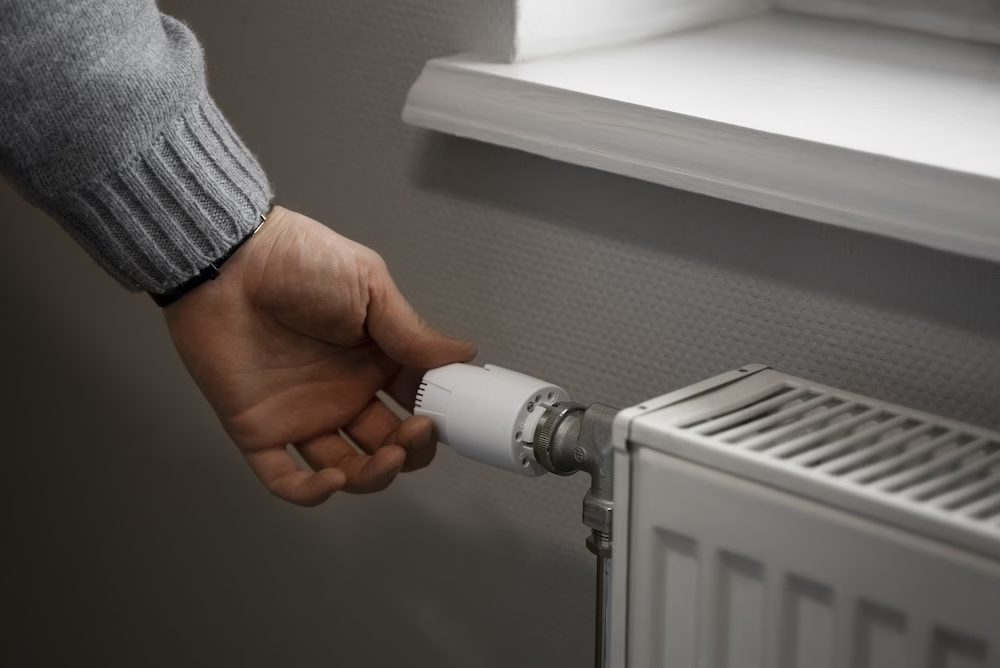
Thermostatic Radiator Valves (TRVs):
- Turn freely without sticking
- Respond to adjustment
- Not painted over or obstructed
- Heads not cracked or damaged
Zone Valves (If Applicable):
- Listen for motor operation when heating calls
- Check both heating and hot water zones
- No unusual noises or hesitation
Spring Adjustment: Now is the time to adjust your heating schedule for warmer weather—reduce heating periods and lower target temperatures to save energy during spring months.
5. Inspect the Condensate Pipe
Why It Matters:
The condensate pipe carries acidic water from your condensing boiler to drainage. Winter freezing is a common cause of boiler lockout, and spring inspection ensures it’s ready for next winter.
Locating Your Condensate Pipe:
- White or grey plastic pipe (21.5mm or 32mm diameter)
- Runs from boiler to drain
- May be internal, external, or both
- External sections most vulnerable
Spring Inspection Checklist:
External Sections:
- ✓ Pipe intact without cracks
- ✓ Insulation present and in good condition
- ✓ No signs of previous freezing damage
- ✓ Properly supported along length
- ✓ Falls continuously toward drain (no low points)
- ✓ Drain connection clear and flowing
Internal Sections:
- ✓ No leaks at joints
- ✓ Connected properly to waste pipe
- ✓ No kinks or restrictions
- ✓ Trap present and filled with water
Maintenance Actions:
Replace damaged insulation:
- External pipes need Class O foam minimum
- 19mm wall thickness for 22mm pipe
- 25mm wall thickness for 32mm pipe
- Waterproof covering essential
Clear the drain:
- Pour warm water through to flush
- Check water flows freely
- Clear any debris at outlet
Consider upgrade: If your condensate pipe froze last winter, discuss rerouting to internal drainage with an engineer—permanent solution costing £150-300.
6. Clean Around the Flue Terminal
Flue Function:
The flue safely removes combustion gases from your boiler. Any obstruction affects safety and efficiency.
Locating Your Flue:
- Horizontal pipe through external wall (most common)
- Vertical through roof (less common)
- Terminal visible from outside
Spring Cleaning Checklist:
External Terminal:
- ✓ Clear of debris (leaves, cobwebs, nests)
- ✓ No plant growth nearby
- ✓ Guard intact if fitted
- ✓ Minimum clearances maintained
- ✓ No signs of staining or sooting
Surrounding Area:
- ✓ Vegetation cut back (300mm minimum clearance)
- ✓ No items stored blocking airflow
- ✓ Opening windows don’t direct fumes back inside
- ✓ No new structures built nearby
Cleaning Actions:
- Visually inspect terminal from ground level
- Remove any visible debris (leaves, cobwebs)
- Check mesh guard isn’t blocked
- Cut back any encroaching plants
- Note any staining for engineer attention
Safety Warning: Never block, cover, or modify the flue terminal. Any signs of sooting (black marks) require immediate professional inspection—this indicates combustion problems.
7. Test Your Carbon Monoxide Alarm
Critical Safety Device:
Carbon monoxide (CO) is an invisible, odourless gas that kills. Your CO alarm is essential protection against boiler malfunction.
Monthly Testing:
- Press and hold test button
- Alarm should sound loudly
- Release button—alarm stops
- If no sound, replace batteries immediately
- If still no sound, replace entire unit
Spring Battery Replacement: Even if alarm tested successfully, replace batteries annually in spring—fresh batteries ensure reliable protection through next winter.
Alarm Lifespan Check: Most CO alarms last 7-10 years. Check manufacturing date:
- If over 7 years old: Plan replacement
- If over 10 years old: Replace immediately
Proper Placement: Ensure you have CO alarms:
- Within 1-3 metres of boiler
- In each bedroom
- On each floor of property
- At head height (CO mixes with air)
CO Alarm Cost: Quality alarms cost £15-30—trivial compared to the life-saving protection they provide.
Professional Spring Maintenance Tasks
Some maintenance requires qualified Gas Safe registered engineers. Spring is the ideal time to schedule these services.
Annual Boiler Service
The Most Important Maintenance Task:
If you do nothing else from this checklist, book your annual boiler servicing. Professional servicing is the single most effective way to maintain boiler health, efficiency, and safety.
What’s Included:
Safety Checks:
- Gas pressure and flow rate testing
- Flue gas analysis (combustion efficiency)
- Carbon monoxide spillage testing
- Safety device functionality verification
- Gas leak detection
- Ventilation adequacy assessment
Component Inspection:
- Heat exchanger examination
- Burner inspection and cleaning
- Ignition system testing
- Fan and flue inspection
- Pump operation check
- Controls and thermostat calibration
Cleaning and Adjustment:
- Burner cleaning and adjustment
- Condensate trap cleaning
- Filter cleaning (if applicable)
- Pressure vessel check
- System pressure verification
- Efficiency optimisation
Documentation:
- Detailed service report
- Recommendations for any work needed
- Gas safety record
- Warranty validation stamp
Why Spring Service Makes Sense:
- Engineers available without winter backlog
- Competitive pricing (no emergency premiums)
- Time to address any issues before winter
- Boiler rested and issues visible after winter use
- No heating urgency if work takes longer
Service Cost: Typical annual service: £80-120 Compared to average repair: £200-400+ Potential breakdown avoided: Priceless
Booking Tip: Book your spring service now—the best engineers fill their spring diaries quickly as savvy homeowners take advantage of off-peak timing.
System Flush Assessment
When Professional Flushing Is Needed:
After winter, your heating system may have accumulated debris requiring professional attention.
Signs Flushing May Be Required:
- Multiple radiators with cold spots (especially bottom)
- Boiler kettling or banging
- Pump struggling or noisy
- Frequent boiler lockouts
- Discoloured water when bleeding radiators
- System slow to heat despite servicing
Types of Professional Flushing:
Chemical Flush (£150-250):
- Cleaning chemicals circulated through system
- Left to work for period (hours to weeks)
- Flushed out with fresh water
- Suitable for light contamination
- Less disruptive than power flush
Power Flush (£350-600):
- High-velocity water and chemicals
- Each radiator flushed individually
- Thorough removal of sludge and debris
- Suitable for moderate to heavy contamination
- Same-day completion
Recommendation: Have your engineer assess system condition during annual service. They can advise whether flushing is needed and which type is appropriate.
Spring Timing Advantage: Power flushing takes 4-8 hours and requires heating to be unavailable during work. Spring’s mild weather makes this far more convenient than winter scheduling.
Magnetic Filter Service
If You Have a Magnetic Filter:
Magnetic filters (MagnaClean, Adey, etc.) capture iron oxide particles continuously, protecting your boiler. They require annual cleaning.
Spring Cleaning Process:
- Engineer isolates filter
- Removes and cleans magnetic element
- Disposes of collected sludge
- Checks filter condition
- Refits and tests
Typically Included: Most engineers include magnetic filter cleaning in annual service at no extra charge.
Assessing Filter Effectiveness: The amount of sludge collected indicates system condition:
- Heavy sludge: System may need flushing
- Moderate sludge: Normal—filter working well
- Minimal sludge: Excellent system condition
If You Don’t Have a Magnetic Filter:
Spring is an excellent time to install one:
- Cost: £100-200 fitted
- Protection: Extends boiler life 2-4 years
- Efficiency: Maintains optimal performance
- Peace of mind: Continuous protection
Strongly recommended for all heating systems, especially those over 5 years old.
Radiator and System Balancing
What Is System Balancing?
Balancing ensures each radiator receives the correct water flow for even heating throughout your home. Unbalanced systems have some radiators too hot whilst others struggle.
Signs of Imbalance:
- Radiators near boiler very hot, distant ones lukewarm
- Significant temperature differences between rooms
- Some radiators heat quickly, others take ages
- Boiler cycling frequently
The Balancing Process:
- Engineer fully opens all radiator valves
- Turns heating on and monitors temperatures
- Adjusts lockshield valves to restrict flow to quick-heating radiators
- Redirects flow to slower radiators
- Achieves even temperature drop across all radiators
When to Balance:
- After power flush or chemical flush
- If new radiators added
- If heating patterns have changed
- If imbalance symptoms present
Cost: System balancing: £100-200 depending on system size Often included with power flush service
Heating Controls Assessment
Modern Controls Save Money:
Your engineer can assess whether your heating controls are optimal or if upgrades would improve efficiency.
Controls to Discuss:
Smart Thermostats:
- Learn your heating patterns
- Adjust based on occupancy
- Remote control via app
- Potential savings: 10-25% on heating
- Cost: £150-300 fitted
Weather Compensation:
- Adjusts boiler output based on external temperature
- Reduces energy waste in mild weather
- Improves comfort and efficiency
- Often available on modern boilers
- May just need activation/configuration
Zone Controls:
- Heat different areas independently
- Avoid heating unused rooms
- Ideal for larger properties
- Significant savings potential
- Cost: £300-600 depending on system
Thermostatic Radiator Valves:
- Individual room temperature control
- Affordable upgrade (£15-30 per radiator fitted)
- Good starting point for zoning
Spring Assessment Benefit: Discussing control upgrades in spring allows time for research, budgeting, and installation before next winter—rather than rushed decisions when heating is needed.
Room-by-Room Heating System Check
Extend your maintenance beyond the boiler to the entire heating system.
Kitchen
Common Issues:
- Radiator often blocked by appliances
- High humidity affects performance
- Grease and grime accumulation
Spring Checks:
- Pull out appliances, check radiator behind
- Clean radiator fins of dust and debris
- Verify valves accessible and working
- Check any pipework for corrosion
Bathroom(s)
Common Issues:
- Towel rails often inefficient
- High moisture environment
- Valves seized from infrequent use
Spring Checks:
- Turn towel rail valves fully (both directions) to free them
- Check for corrosion from humidity
- Verify adequate heat output
- Clean any radiator covers
Living Areas
Common Issues:
- Furniture blocking radiators
- Curtains covering radiators
- TRVs painted over or stuck
Spring Checks:
- Ensure radiators unobstructed
- Test all TRVs turn freely
- Move furniture if blocking airflow
- Check curtain length (shouldn’t cover radiators)
Bedrooms
Common Issues:
- Radiators often turned low and forgotten
- TRVs may have seized at low setting
- Dust accumulation from less frequent cleaning
Spring Checks:
- Turn all TRVs through full range
- Dust behind and between radiator fins
- Verify even heating when tested
- Consider appropriate temperature settings for sleeping
Hallways and Stairs
Common Issues:
- Often overlooked in maintenance
- Draughts can affect heating effectiveness
- Radiators may be undersized for heat loss
Spring Checks:
- Check hallway radiators function correctly
- Assess draught proofing around front door
- Verify landing radiators working (heat rises, often neglected)
Spare Rooms
Common Issues:
- Heating turned off and forgotten
- Pipes may be at risk in severe cold
- System imbalance from permanently closed valves
Spring Checks:
- Turn heating on briefly to verify operation
- Never fully close TRVs (leave at frost protection)
- Check for any damp indicating ventilation issues
Creating Your Annual Maintenance Calendar
Effective maintenance requires year-round attention, not just spring effort.
Spring (March-May)
Priority Tasks:
✓ Complete this full spring checklist
✓ Book annual boiler service
✓ Bleed all radiators
✓ Test all controls
✓ Inspect condensate pipe
✓ Clean around flue terminal
✓ Test CO alarms and replace batteries
Professional Services:
- Annual boiler service
- Power flush if needed
- System balancing if required
- Control upgrades if planned
Summer (June-August)
Maintenance Tasks:
✓ Keep boiler running occasionally (prevents seizure)
✓ Run heating briefly monthly (10 minutes)
✓ Monitor for any unusual sounds or smells
✓ Address any repairs identified in spring
Planning Tasks:
- Research boiler replacement if needed
- Budget for autumn improvements
- Book autumn service if preferred
Autumn (September-November)
Pre-Winter Preparation:
✓ Check system pressure
✓ Brief system test before cold weather
✓ Verify all radiators working
✓ Insulate any vulnerable pipes
✓ Clear leaves from flue area
✓ Check condensate pipe insulation
Professional Services:
- Service if not done in spring
- Any deferred repairs before winter
- Boiler replacement if planned
Winter (December-February)
Ongoing Monitoring:
✓ Check pressure monthly
✓ Listen for unusual sounds
✓ Monitor energy consumption
✓ Thaw condensate pipe if frozen
Emergency Preparedness:
- Know isolation valve locations
- Have engineer contact saved
- Keep torch and basic tools accessible
When DIY Isn’t Enough: Recognising Professional Needs
Some issues require immediate professional attention rather than DIY solutions.
Call an Engineer Immediately If:
Safety Concerns:
- Smell of gas (also call National Gas Emergency: 0800 111 999)
- Carbon monoxide alarm activates
- Yellow or orange boiler flame (should be blue)
- Sooting or staining around boiler or flue
- Burning smell from boiler
- Boiler making explosive sounds
Significant Problems:
- Water actively leaking from boiler
- Boiler won’t fire up at all
- Repeated lockouts requiring reset
- Complete loss of heating and hot water
- Pressure dropping rapidly (major leak)
- Error codes you can’t resolve
Schedule an Engineer Soon If:
Performance Issues:
- Multiple radiators with cold spots after bleeding
- Boiler making kettling or banging noises
- Significant efficiency decline noticed
- Strange new sounds developing
- Pressure needing frequent top-ups
Age-Related Concerns:
- Boiler over 10-12 years without recent service
- Unknown service history
- Parts becoming difficult to source
- Multiple repairs in past year
Questions to Note for Your Engineer
When booking professional services, prepare information about:
- Boiler make, model, and approximate age
- When last serviced
- Any symptoms or concerns
- History of recent problems
- Changes you’ve noticed
- Questions about efficiency or upgrades
This preparation helps engineers diagnose issues efficiently and provide accurate quotes for any work needed.
Spring Maintenance and Your Boiler Warranty
Understanding how maintenance affects warranty protection is important.
Warranty Requirements
Most boiler warranties require:
Annual Servicing:
- Must be by Gas Safe registered engineer
- Typically within 12 months of previous service
- Service record kept as proof
- Using non-registered engineers voids warranty
Genuine Parts:
- Any repairs using manufacturer-approved parts
- Non-genuine parts may void warranty
- Keep receipts as evidence
Proper Use:
- Boiler used as intended
- Appropriate water treatment
- No unauthorised modifications
Protecting Your Warranty
Spring Actions:
- Book service within warranty period
- Use manufacturer-accredited engineers where possible
- Keep all documentation safely
- Register warranty if not already done
- Note warranty expiry date
Documentation to Keep:
- Original purchase/installation paperwork
- All service records
- Repair invoices and receipts
- Warranty registration confirmation
- Engineer Gas Safe details
After Warranty Expires
Once out of warranty, you’re fully responsible for repair costs. This makes spring maintenance even more important:
- Prevents expensive failures
- Extends boiler lifespan
- Maintains efficiency
- Identifies issues early when repairs cheaper
Consider whether extended warranty or breakdown cover offers value—especially for boilers 5+ years old.
Cost-Effective Spring Maintenance
Getting maximum value from your maintenance investment requires smart planning.
DIY vs Professional Cost Comparison
Tasks You Can Do Free:
- Visual inspections
- Pressure checking and adjusting
- Bleeding radiators
- Testing controls
- CO alarm testing
- Basic cleaning
Tasks Worth Paying For:
- Annual boiler service (£80-120)
- Power flush when needed (£350-600)
- Magnetic filter installation (£100-200)
- System balancing (£100-200)
- Control upgrades (varies)
Bundling Services for Savings
Combine for Better Value:
| Service | Individual | Bundled | Saving |
|---|---|---|---|
| Service | £90 | £90 | — |
| Magnetic filter clean | £30 | Included | £30 |
| System check | £50 | Included | £50 |
| Total | £170 | £90 | £80 |
Power Flush Bundle:
| Service | Individual | Bundled | Saving |
|---|---|---|---|
| Power flush | £500 | £450 | £50 |
| Magnetic filter | £180 | £130 | £50 |
| Inhibitor | £40 | Included | £40 |
| Total | £720 | £580 | £140 |
Ask your engineer about package deals when booking multiple services.
Prioritising Maintenance Spend
Essential (Don’t Skip):
- Annual boiler service
- Safety checks and CO alarms
- Addressing active problems
Important (Schedule Soon):
- Power flush if system contaminated
- Magnetic filter if not fitted
- Repairs identified during service
Beneficial (When Budget Allows):
- Control upgrades
- System balancing
- Radiator upgrades
- Insulation improvements
Long-Term Value Calculation
Annual Maintenance Investment:
- Service: £90
- DIY supplies: £20
- Minor repairs: £100 average
- Total: £210/year
Potential Returns:
- Extended boiler life: 3-5 years (worth £2,000-4,000)
- Efficiency maintained: £150-300/year saved
- Breakdowns prevented: £300-500/incident avoided
- Peace of mind: Invaluable
The maths strongly favours consistent maintenance over reactive repair.
Frequently Asked Questions
How often should I service my boiler?
Annual servicing is essential for all boilers, regardless of age or condition. Most manufacturers require yearly servicing to maintain warranty validity, and regular maintenance extends boiler lifespan by 3-5 years whilst reducing breakdown risk by up to 60%. Spring is ideal timing as engineers are readily available and any issues can be resolved before next winter.
Can I do boiler maintenance myself to save money?
You can safely perform several maintenance tasks: checking and adjusting system pressure, bleeding radiators, testing controls, inspecting the condensate pipe, cleaning around the flue, and testing CO alarms. However, anything involving opening the boiler, working on gas connections, or internal components requires a Gas Safe registered engineer. DIY gas work is illegal, dangerous, and voids warranties.
What should I do if I find a problem during spring checks?
For minor issues like low pressure or air in radiators, follow the DIY guidance in this article. For anything involving gas, water leaks from the boiler, unusual smells, or problems you can’t diagnose, contact a Gas Safe registered engineer promptly. Spring is ideal for addressing issues—engineers are available, and you have time to resolve problems before they become winter emergencies.
Is spring maintenance necessary if my boiler worked fine all winter?
Absolutely. A boiler that functioned well all winter has still accumulated wear from 1,000+ hours of operation. Spring maintenance identifies developing problems invisible to homeowners, verifies safety systems function correctly, maintains efficiency, and ensures reliability for next winter. Many breakdowns occur at the start of the heating season when boilers are restarted after summer—spring maintenance prevents this.
How much should spring boiler maintenance cost?
A standard annual service costs £80-120. DIY maintenance tasks cost nothing beyond basic supplies (radiator key, CO alarm batteries). Power flushing, if needed, costs £350-600. Magnetic filter installation costs £100-200. Budget approximately £100-150 for annual maintenance if DIY tasks combined with professional service, or £200-300 if additional work like flushing is required.
What’s the most important thing on the spring maintenance checklist?
Booking your annual boiler servicing with a Gas Safe registered engineer is the single most important maintenance action. Professional servicing includes safety checks you cannot perform yourself, identifies problems requiring expert diagnosis, maintains warranty validity, and provides documentation of your boiler’s condition. Everything else on this checklist supports rather than replaces professional servicing.
Conclusion
A comprehensive boiler maintenance checklist for spring is your roadmap to reliable, efficient heating year after year. By combining the DIY tasks outlined in this guide with professional annual servicing, you protect your heating investment, prevent expensive emergency repairs, and ensure your family’s comfort and safety.
Spring offers the perfect window for this essential maintenance. Your boiler has just completed its most demanding season, engineers are readily available without winter backlogs, and you have time to address any issues before they become urgent. The mild weather means temporary heating unavailability causes minimal disruption, and competitive pricing makes professional services more affordable.
The checklist approach ensures nothing is overlooked. From simple visual inspections and radiator bleeding to professional servicing and system assessments, each task contributes to your boiler’s long-term health. Homeowners who follow consistent spring maintenance routines enjoy fewer breakdowns, lower energy bills, and boilers that last significantly longer than neglected systems.
Don’t let the arrival of warmer weather push heating concerns from your mind. The maintenance you complete now directly impacts your experience next winter. Take action whilst spring conditions favour you, and you’ll face the colder months with complete confidence in your heating system.
Professional Spring Boiler Servicing Across West Sussex
At Lock & Lindfield, we help West Sussex homeowners keep their boilers in peak condition through comprehensive annual servicing and expert maintenance advice. Our Gas Safe registered engineers provide thorough spring inspections that identify potential problems and ensure your system is ready for another year of reliable operation.
Ready to complete your spring boiler maintenance?
Contact Lock & Lindfield today to book your annual boiler servicing appointment. We’ll conduct a full safety inspection, clean and optimise your boiler, and provide honest recommendations for any additional work that would benefit your system. With spring appointments filling quickly, now is the time to secure your preferred date.
Call us now or visit our services page to book your spring maintenance appointment. For boilers showing signs of wear or unreliability, we also offer expert boiler repairs and can advise whether repair or replacement offers better long-term value.
Invest in spring maintenance today for worry-free heating tomorrow.