One of the most common questions homeowners across West Sussex ask is: “How long should a boiler last?” It’s an important question, considering a new boiler represents a significant investment—typically £1,500-3,500 for most domestic properties.
The average boiler lifespan ranges from 10-15 years, though this varies considerably depending on boiler type, quality, usage patterns, and crucially, how well it’s been maintained. Some well-cared-for boilers continue running reliably for 20+ years, whilst neglected systems can fail within 7-8 years.
Understanding what affects boiler longevity, recognising the signs that yours is approaching the end of its life, and knowing when replacement makes more financial sense than ongoing repairs can save you thousands of pounds and prevent inconvenient winter breakdowns.
In this comprehensive guide, we’ll explore everything you need to know about boiler lifespan, from the factors that influence longevity to practical advice on extending your boiler’s working life and making informed decisions about replacement.
Average Boiler Lifespan by Type
Different boiler types have varying expected lifespans based on their design, complexity, and typical usage patterns.
Modern Condensing Boilers (2005 onwards)
Expected Lifespan: 12-15 years
Modern condensing boilers have been mandatory in the UK since 2005 and represent the most efficient technology available. These boilers:
- Feature complex electronics and sensors
- Operate at lower temperatures (more efficient but more components)
- Include condensate drainage systems requiring maintenance
- Typically last 12-15 years with proper servicing
- May need component replacements around 8-10 years
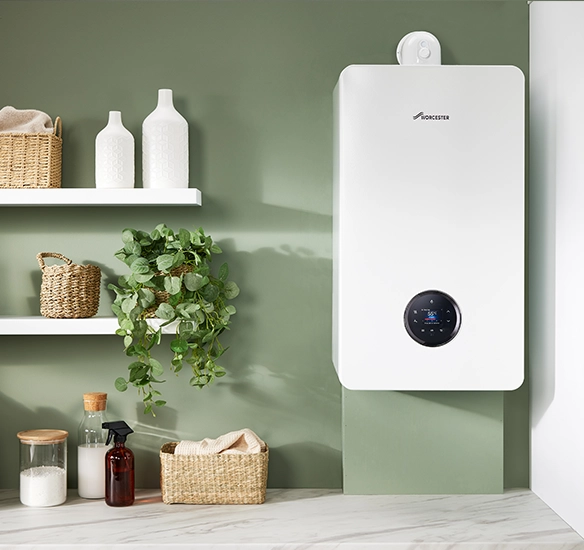
Brands like Worcester Bosch, Vaillant, and Ideal offer some of the longest-lasting condensing boilers, often backed by 7-10 year warranties.
Non-Condensing Boilers (pre-2005)
Expected Lifespan: 15-25 years
Older non-condensing boilers were simpler in design:
- Fewer electronic components to fail
- More robust mechanical construction
- Less efficient (60-70% vs 90-95% for condensing models)
- Can last 20-25 years but increasingly expensive to run
- Parts becoming harder to source
If you have a non-condensing boiler still running, it’s probably costing you 25-40% more in energy bills than a modern replacement would.
Combi Boilers
Expected Lifespan: 10-15 years
Combination boilers provide heating and instant hot water without storage tanks:
- Work harder due to dual function
- More components under stress
- Popular for smaller homes and flats
- Typically last 10-15 years
- Regular servicing essential due to higher workload
System Boilers
Expected Lifespan: 12-15 years
System boilers work with sealed heating systems and hot water cylinders:
- Less strain than combi boilers (no instant hot water demand)
- Reliable for larger homes
- Sealed system components require maintenance
- Expected lifespan 12-15 years
- Good choice for homes with multiple bathrooms
Conventional/Regular Boilers
Expected Lifespan: 15-20 years
Traditional boilers with separate hot water cylinders and cold water tanks:
- Simpler design, fewer potential failure points
- Larger, more robust heat exchangers
- Suitable for larger properties with high demand
- Can last 15-20 years
- Older systems may be inefficient despite longevity
Factors That Affect How Long Your Boiler Lasts
Boiler lifespan isn’t just about the model you buy—several key factors determine whether your boiler reaches or exceeds its expected life.
1. Regular Professional Servicing
This is the single most important factor in boiler longevity. Annual boiler servicing by a Gas Safe registered engineer:
- Identifies wear before it causes failure
- Keeps components clean and efficient
- Ensures correct settings and calibration
- Maintains manufacturer warranty
- Can extend lifespan by 3-5 years
Statistics show that regularly serviced boilers last an average of 40% longer than neglected systems. A £90 annual service is a small price for potentially 4-6 extra years of reliable operation.
2. Boiler Quality and Brand
Not all boilers are created equal. Premium brands typically offer:
- Better quality components
- Longer warranties (7-12 years vs 2-5 years)
- Better availability of spare parts
- More reliable electronics
- Superior build quality
According to Which? boiler reviews, Worcester Bosch, Vaillant, and Viessmann consistently receive high reliability ratings, whilst budget brands often score lower for longevity and breakdown frequency.
Premium boilers cost £500-1,000 more initially but frequently outlast cheaper alternatives by 3-5 years, making them better value long-term.
3. Installation Quality
Even the best boiler won’t last if poorly installed. Professional installation ensures:
- Correct sizing for your property
- Proper flue positioning and sealing
- Appropriate pipework and connections
- Correct system pressurisation
- Proper power flushing before installation
Poor installation can reduce boiler lifespan by 20-30%. Always use Gas Safe registered installers with good reputations for quality workmanship.
4. Usage Patterns
How you use your boiler affects its longevity:
High-stress usage (reduces lifespan):
- Constantly running at maximum output
- Frequent on-off cycling
- Very high hot water demand
- Multiple daily temperature adjustments
Moderate usage (extends lifespan):
- Consistent temperature settings
- Appropriate sizing for property
- Regular but not excessive use
- Proper heating controls to avoid cycling
Correctly sized boilers that aren’t constantly working at full capacity typically last 2-3 years longer than oversized or undersized units.
5. Water Quality
The hardness of your water supply significantly impacts boiler life:
Hard water areas (like parts of West Sussex):
- Cause limescale build-up on heat exchangers
- Reduce efficiency over time
- Can cause premature failure
- May shorten lifespan by 2-3 years
Solutions include:
- Installing a magnetic filter (£100-150)
- Water softener systems (£500-1,000)
- Regular power flushing every 5-6 years
- Chemical inhibitor additions during servicing
These protective measures can add 3-5 years to your boiler’s life in hard water areas.
6. System Cleanliness
Sludge, debris, and corrosion in your heating system damage your boiler:
- Contaminated water circulates through the boiler
- Deposits build up on heat exchangers
- Pumps work harder and wear faster
- Efficiency drops significantly
Power flushing your system before installing a new boiler and every 5-6 years thereafter protects components and can extend lifespan by 2-4 years.
7. Central Heating System Design
The overall heating system affects boiler longevity:
- Properly balanced radiators reduce strain
- Appropriate pipe sizing improves flow
- Correct system pressure protects components
- Effective heating controls prevent overworking
A well-designed system supports long boiler life, whilst poorly designed systems can reduce it by several years.
Signs Your Boiler Is Reaching the End of Its Life
Recognising when your boiler is approaching failure helps you plan replacement before an emergency breakdown.
Age-Related Warning Signs
If your boiler is 10+ years old and showing these symptoms, replacement may be imminent:
Increasing Repair Frequency:
- Multiple repairs within a 12-month period
- Different components failing regularly
- Annual repair costs exceeding £300-400
- Engineer recommending “last repair” on old components
Efficiency Decline:
- Rising energy bills without usage increase
- Longer heating times to reach temperature
- Lukewarm radiators that used to be hot
- Frequent pilot light issues (older boilers)
Reliability Issues:
- Regular breakdowns during winter
- Intermittent heating or hot water
- Frequent error codes or lockouts
- Boiler struggling to maintain pressure
Physical Deterioration
Visible signs of aging include:
- Corrosion or rust on boiler casing
- Water stains or leaks around the unit
- Soot or yellow staining around flue
- Cracks in heat exchanger (major failure)
- Frequent condensate pipe freezing (poor design/age)
Performance Problems
Operational issues suggesting end of life:
- Kettling noises (limescale on heat exchanger)
- Banging or clunking from internal components
- Yellow or orange flame (should be blue—safety concern)
- Inconsistent temperatures throughout property
- Takes much longer to heat home than previously
Parts Availability Issues
For boilers over 12-15 years old:
- Replacement parts becoming scarce
- Parts more expensive due to low availability
- Manufacturer no longer supporting model
- Engineers struggling to source components
When parts become difficult to find, replacement often makes more sense than waiting for the next failure.
Safety Concerns
Any of these warrant immediate attention and often indicate replacement is necessary:
- Carbon monoxide detector activation
- Gas smell near boiler
- Sooting or discolouration around appliance
- Boiler cutting out frequently for safety reasons
- Failed safety checks during service
Safety issues with older boilers often can’t be economically repaired and require urgent replacement.
When to Repair vs Replace Your Boiler
Deciding between repair and replacement requires considering multiple factors beyond just the immediate repair cost.
The 50% Rule
A useful guideline is the 50% rule:
If the cost of repair exceeds 50% of a replacement boiler’s cost, and your boiler is over 10 years old, replacement usually makes more financial sense.
Example calculation:
- Repair quote: £800
- New boiler installed: £2,000
- Repair cost: 40% of replacement
- Boiler age: 13 years
Verdict: Consider replacement—you’re spending significant money on an aging system that may soon need further repairs.
Repair Makes Sense When:
✓ Boiler is less than 8 years old ✓ Single component failure under £400 ✓ Otherwise good condition and well-maintained ✓ Recent service showed good overall health ✓ Warranty still covers some costs
Replacement Makes Sense When:
✓ Boiler is 12+ years old ✓ Multiple components failing ✓ Repair costs over £600-700 ✓ Annual repairs becoming regular occurrence ✓ Significant efficiency decline ✓ Parts difficult to source ✓ Modern models would cut bills by 20-30%
The 5-Year Cost Comparison
Consider total costs over 5 years:
Keep old boiler:
- Annual servicing: £90 x 5 = £450
- Expected repairs: £300-800
- Higher energy bills: £200/year x 5 = £1,000
- Total 5-year cost: £1,750-2,250
Replace with new boiler:
- Boiler installation: £2,000
- Annual servicing: £90 x 5 = £450
- Energy savings: £200/year reduction
- Unlikely repairs (warranty coverage)
- Total 5-year cost: £2,450 minus £1,000 savings = £1,450
In this example, replacement actually saves £300-800 over 5 years whilst providing reliability and warranty protection.
How to Extend Your Boiler’s Lifespan
Whether you have a new boiler or want to maximise your current system’s longevity, these practices make a significant difference.
1. Never Skip Annual Servicing
This cannot be overstated. Annual professional servicing is the single most cost-effective way to extend boiler life:
- Catches problems early when repairs are minor
- Maintains optimal efficiency
- Keeps warranty valid
- Ensures safety
- Adds 3-5 years to expected lifespan
Book your service in late summer or early autumn before the heating season begins. Our boiler servicing appointments across West Sussex ensure your system is ready for winter.
2. Install a Magnetic Filter
Magnetic filters capture iron oxide sludge before it reaches your boiler:
- Cost: £100-200 installed
- Protects heat exchanger and pump
- Reduces system contamination
- Can extend boiler life by 2-4 years
- Should be cleaned annually during service
This relatively small investment offers excellent protection for your boiler investment.
3. Power Flush Before Installing New Boiler
When replacing your boiler, always power flush the existing system first:
- Removes years of accumulated sludge
- Prevents contamination damaging new boiler
- Often required to validate warranty
- Costs £300-600 but protects £2,000+ investment
Failing to power flush can void your new boiler warranty and significantly reduce its lifespan.
4. Maintain Correct Pressure
Check your boiler pressure monthly:
- Optimal pressure: 1.0-1.5 bar when cold
- Top up if below 1.0 bar
- Investigate if frequently losing pressure
- Don’t overfill above 2.0 bar
Consistent correct pressure reduces strain on components and prevents pump damage.
5. Bleed Radiators Regularly
Air trapped in radiators forces your boiler to work harder:
- Bleed radiators when cold spots appear
- Check all radiators at start of heating season
- Improves efficiency and reduces boiler strain
- Takes just 5-10 minutes per radiator
6. Use Heating Controls Effectively
Modern controls reduce boiler cycling and stress:
- Install programmable or smart thermostats
- Use room thermostats to prevent overheating
- Set appropriate temperatures (19-21°C living areas)
- Avoid constantly adjusting temperature up and down
Proper controls can extend boiler life by 1-2 years through reduced cycling.
7. Address Issues Promptly
Don’t ignore warning signs:
- Strange noises indicating problems
- Error codes or frequent lockouts
- Pressure loss or leaks
- Performance degradation
Early boiler repairs prevent minor issues becoming major failures that damage multiple components.
8. Ensure Adequate Ventilation
Boilers need proper airflow:
- Keep area around boiler clear
- Don’t block vents or flue
- Ensure cupboard doors allow airflow
- Check flue terminal remains unobstructed
Poor ventilation causes overheating and premature component failure.
Best Boiler Brands for Longevity
If you’re considering replacement, choosing a reliable brand significantly impacts how long your new boiler will last.
Premium Long-Life Brands
Worcester Bosch:
- Industry-leading reliability ratings
- Comprehensive warranties (7-12 years available)
- Excellent parts availability
- Expected lifespan: 12-15+ years
- Higher initial cost justified by longevity
Vaillant:
- German engineering quality
- Consistently high reliability scores
- Strong warranty offerings (7-10 years)
- Expected lifespan: 12-15 years
- Excellent customer support
Viessmann:
- Premium quality construction
- Lower breakdown rates than average
- Long warranties available (up to 10 years)
- Expected lifespan: 12-15+ years
- Higher price point
Mid-Range Reliable Options
Ideal:
- Good balance of price and reliability
- UK-manufactured
- Decent warranty coverage (5-10 years)
- Expected lifespan: 10-13 years
- Widely supported by engineers
Baxi:
- Established UK brand
- Reasonable reliability
- Competitive pricing
- Expected lifespan: 10-12 years
- Good parts availability
Brands to Approach Cautiously
Some budget brands show higher failure rates:
- Lower build quality components
- Shorter warranties (2-5 years)
- Higher breakdown frequency
- Potentially shorter lifespan (8-10 years)
Saving £500-800 initially may cost you more in repairs and earlier replacement. Quality brands represent better long-term value.
The Cost of Keeping an Old Boiler Running
Many homeowners continue nursing along old boilers to avoid replacement costs, but this often proves more expensive long-term.
Hidden Costs of Aging Boilers
Increased Energy Bills: A 15-year-old G-rated boiler wastes 30-40% of fuel compared to modern A-rated models. For a home spending £1,200 annually on heating:
- Old boiler: £1,200/year
- New A-rated boiler: £720-840/year
- Annual waste: £360-480
Over 5 years, you’ve essentially paid for a new boiler through wasted energy.
Frequent Repairs: Aging boilers typically need:
- Annual repairs: £200-500
- Emergency callouts: Additional £100-150
- Multiple small fixes adding up
Inconvenience Costs:
- Time off work for repair visits
- Cold homes during breakdowns
- Emergency hotel stays during winter failures
- Stress and disruption
Safety Risks: Older boilers carry greater risks:
- Carbon monoxide leaks
- Gas leaks
- Fire hazards
- Inadequate safety features
When Keeping Becomes False Economy
Calculate your total cost of ownership:
Year 1-2:
- Old boiler may seem economical
- Occasional repairs manageable
Year 3-5:
- Repairs becoming frequent (£400-800/year)
- Energy waste mounting (£300-500/year)
- Total extra cost: £700-1,300/year
After 5 years:
- Total extra spending: £3,500-6,500
- Could have bought 2-3 new boilers
- Still have old, unreliable system
Replacing proactively at 12-15 years usually costs less overall than limping to 18-20 years with constant repairs.
Planning for Boiler Replacement
Smart homeowners plan replacement before emergency failure forces rushed decisions.
Create a Replacement Timeline
If your boiler is:
8-10 years old:
- Continue annual servicing
- Budget £100-150/year for potential repairs
- Start researching replacement options
- Consider setting aside £50-100/month
10-12 years old:
- Increase replacement savings to £100-150/month
- Get quotes for replacement
- Understand your options
- Watch for reliability decline
12+ years old:
- Have replacement budget ready
- Get multiple quotes lined up
- Plan replacement for spring/summer (better availability, competitive pricing)
- Don’t wait for winter emergency
Replacement Budgeting
Typical costs for West Sussex homes:
Combi Boiler Replacement:
- Budget model: £1,500-2,000
- Mid-range quality: £2,000-2,500
- Premium brand: £2,500-3,500
System/Regular Boiler:
- Budget: £2,000-2,500
- Mid-range: £2,500-3,200
- Premium: £3,200-4,500
Additional Costs:
- Power flush (if needed): £300-600
- Magnetic filter: £100-200
- System upgrades: £200-500
- Controls upgrade: £150-400
Financing Options
If you can’t afford upfront costs:
- Finance plans from installers (0% often available)
- Personal loans
- Energy Company Obligation (ECO) grants for eligible households
- Local authority schemes
- Credit cards (watch interest rates)
Never compromise on quality to save money—a cheap boiler costs more long-term.
Frequently Asked Questions
Can a boiler last 20 years?
Yes, some boilers last 20+ years, particularly older non-condensing models and well-maintained premium brands. However, efficiency significantly declines after 15 years, and running costs often exceed £300-500 annually compared to modern replacements. Even if functional, 20-year-old boilers typically waste enough energy that replacement pays for itself within 5-7 years through reduced bills.
What is the average life of a Worcester Bosch boiler?
Worcester Bosch boilers typically last 12-15 years with proper annual servicing, though many continue functioning for 15-18 years. They’re considered one of the most reliable brands available and consistently receive high ratings in reliability surveys. Worcester Bosch offers warranties up to 12 years on some models, demonstrating confidence in longevity. Regular servicing is essential to achieve these lifespans.
Is it worth replacing a 15-year-old boiler?
Generally yes, especially if experiencing reliability issues or high energy bills. A 15-year-old boiler operates at 60-70% efficiency compared to 90-95% for modern models, wasting 25-30% of your heating budget. Replacement typically saves £300-500 annually on energy bills, pays for itself within 5-8 years, and provides warranty protection and reliability for the next 12-15 years.
How do you know when your boiler needs replacing?
Key indicators include: age over 12-15 years, frequent repairs (multiple per year), repair costs exceeding £500-600, rising energy bills, declining performance, difficulty sourcing parts, yellow pilot flame, constant pressure loss, and loud kettling noises. If your boiler is showing multiple warning signs and repairs are becoming regular occurrences, replacement usually makes financial sense.
Should I repair a 10-year-old boiler or replace it?
For 10-year-old boilers, repairs under £400 usually make sense if the boiler is otherwise well-maintained. However, if facing major repairs over £600-700, multiple component failures, or significantly declining efficiency, replacement may be smarter. Consider the total 5-year cost including repairs, efficiency losses, and reliability. Get multiple opinions from Gas Safe engineers for expensive repair decisions.
What shortens a boiler’s lifespan?
The main lifespan killers are: skipping annual servicing (reduces life by 3-5 years), poor water quality causing limescale, contaminated systems with sludge, incorrect installation, constant cycling from poor controls, running at maximum capacity continuously, and low-quality budget brands. Regular maintenance, magnetic filters, and proper system care can add 4-6 years to expected lifespan.
Conclusion
Understanding how long your boiler should last—and the factors affecting its lifespan—empowers you to make informed decisions about maintenance, repairs, and replacement. Whilst the average boiler lasts 10-15 years, proper care through annual servicing, system cleanliness, and appropriate usage can extend this to 15-18 years or more.
The key to maximising boiler longevity lies in preventive maintenance rather than reactive repairs. A £90 annual service can add 3-5 years to your boiler’s life—potentially worth £3,000-5,000 in delayed replacement costs. For homeowners across West Sussex, this investment in regular professional care delivers exceptional value.
However, knowing when to replace rather than repair is equally important. Boilers over 12-15 years old that require frequent repairs or show significant efficiency decline often cost more to keep running than they’re worth. Modern condensing boilers not only provide superior reliability but also reduce energy bills by 20-35%, meaning replacement often pays for itself within 5-8 years.
Expert Boiler Care and Replacement Services
At Lock & Lindfield, we help West Sussex homeowners get the maximum lifespan from their boilers through professional annual servicing, expert repairs when needed, and honest advice about when replacement makes better financial sense than continued repairs.
Planning ahead for boiler maintenance or replacement?
Contact Lock & Lindfield today for professional boiler servicing that extends your system’s life, expert guidance on repair vs replacement decisions, or competitive quotes for new boiler installation. Our Gas Safe registered engineers provide the honest, transparent advice you need to make the right decision for your home and budget.