When temperatures plummet, many homeowners notice their boiler pressure dropping unexpectedly. If you’ve found yourself topping up your boiler more frequently during winter months, you’re not alone. Understanding why your boiler loses pressure in cold weather is essential for maintaining a warm, comfortable home throughout the season.
What Is Boiler Pressure and Why Does It Matter?
Boiler pressure refers to the balance of water and air within your central heating system. Most modern boilers require a pressure reading between 1 and 2 bar when the system is cold. This pressure ensures water circulates efficiently through your radiators, delivering consistent heating throughout your property.
When pressure drops below the optimal range, your boiler may shut down as a safety precaution, leaving you without heating or hot water precisely when you need it most.
The Main Reasons Your Boiler Loses Pressure in Cold Weather
1. Thermal Contraction of Pipes and Components
Cold weather causes the metal components in your heating system to contract. As temperatures drop, copper pipes, radiators, and boiler parts shrink slightly. This thermal contraction can create microscopic gaps in joints and connections, allowing small amounts of water to escape gradually.
Whilst these leaks may be minimal, the cumulative effect over time leads to noticeable pressure loss. The colder the weather, the more pronounced this contraction becomes, which explains why pressure drops are more common during winter.
2. Increased Heating Demand and System Strain
During cold snaps, your boiler works harder and runs for longer periods. This increased demand puts additional strain on the system, exposing any existing weaknesses in seals, valves, or connections. The constant heating and cooling cycles can exacerbate minor leaks that might otherwise go unnoticed in warmer weather.
3. Expansion Vessel Issues
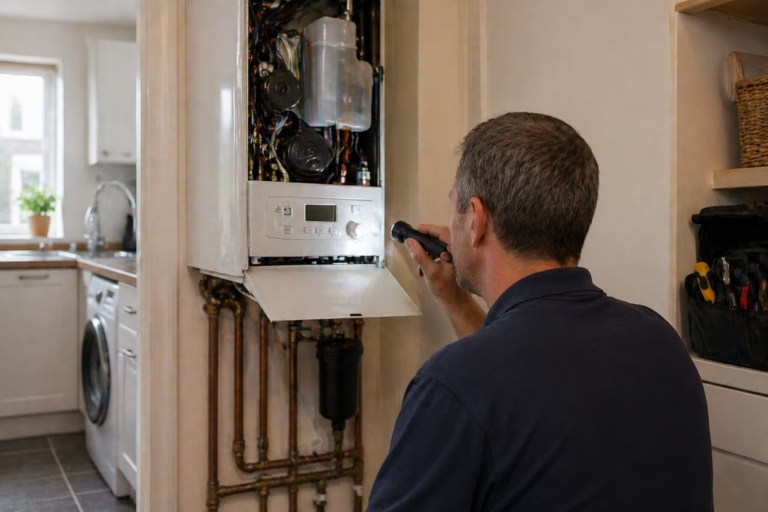
Your boiler’s expansion vessel accommodates fluctuations in water volume as the system heats and cools. In cold weather, the air pressure within the expansion vessel can drop, reducing its ability to compensate for volume changes. This can manifest as apparent pressure loss in your system.
The expansion vessel contains a rubber membrane that can deteriorate over time, particularly when subjected to extreme temperature variations. A faulty expansion vessel is one of the most common causes of persistent pressure problems in winter.
4. Radiator Valve Leaks
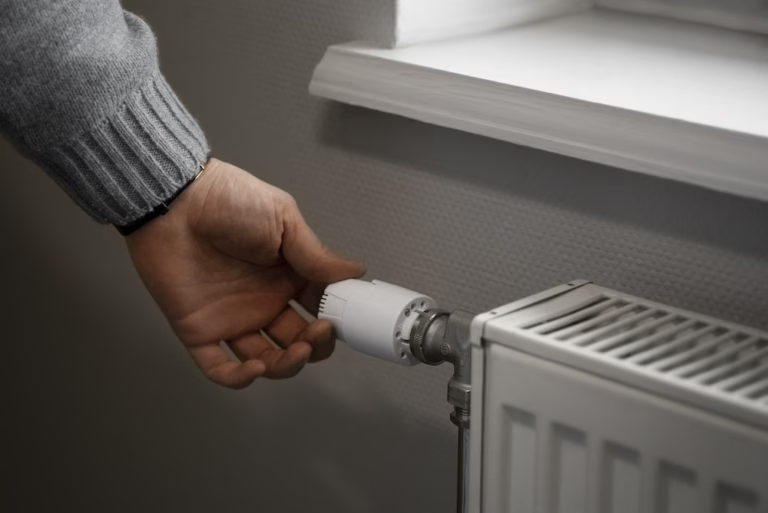
Temperature fluctuations cause radiator valves to expand and contract. Over time, this movement can weaken seals and create small leaks. During cold weather, when radiators are constantly in use, these leaks become more apparent. Check around thermostatic radiator valves (TRVs) and lockshield valves for signs of moisture or corrosion.
5. Pressure Relief Valve Activation
When your boiler overheats, the pressure relief valve automatically releases water to prevent dangerous pressure build-up. In cold weather, if your boiler is working overtime or experiencing circulation issues, the pressure relief valve may activate more frequently. You might notice water dripping from the overflow pipe outside your property.
How to Identify Where Pressure Is Being Lost
Locating the source of pressure loss requires systematic investigation. Start by inspecting visible pipework for dampness, corrosion, or water stains. Pay particular attention to joints, connections, and areas where pipes pass through walls or floors.
Check beneath each radiator for pooling water or discolouration on the floor. Examine the boiler itself for any signs of leakage, particularly around the pressure relief valve and pump connections.
If you cannot identify an obvious leak, the problem may lie within concealed pipework or the expansion vessel. In these cases, professional diagnosis is recommended.
Immediate Steps to Repressurise Your Boiler
If your boiler pressure has dropped below the recommended range, you can often repressurise it yourself. Most modern boilers feature a filling loop, which connects the mains water supply to the heating system.
Locate the filling loop beneath your boiler. It typically consists of a flexible hose with valves at each end. Ensure the boiler is switched off and cool before proceeding. Slowly open both valves and watch the pressure gauge. Once the needle reaches approximately 1.5 bar, close both valves firmly.
Never overfill your system beyond 2 bar, as this can trigger the pressure relief valve and potentially damage components. If you’re unsure about the process, consult your boiler’s manual or contact a Gas Safe registered engineer.
When to Call a Professional
Whilst topping up pressure occasionally is normal, frequent drops indicate an underlying problem requiring professional attention. Contact a qualified heating engineer if you need to repressurise your boiler more than once a month, notice visible leaks anywhere in the system, or observe water dripping from the overflow pipe outside.
A professional can conduct a thorough pressure test to locate hidden leaks, inspect the expansion vessel for faults, check the pressure relief valve operation, and assess whether any components need replacement.
At Lock and Lindfield, our experienced engineers specialise in diagnosing and resolving boiler pressure issues across West Sussex. We understand the urgency of heating problems during cold weather and provide rapid response times for emergency situations.
Preventing Boiler Pressure Loss This Winter
Regular maintenance is your best defence against pressure problems. Annual boiler servicing by a Gas Safe registered engineer identifies potential issues before they escalate. During service visits, engineers check all connections, test the expansion vessel, inspect seals and gaskets, and verify that pressure relief valves function correctly.
Bleeding radiators at the start of the heating season releases trapped air that can affect pressure readings. Whilst bleeding radiators will temporarily reduce system pressure, it improves overall efficiency and prevents airlocks.
Maintaining a consistent indoor temperature reduces thermal stress on your system. Rather than allowing your home to cool completely and then boosting heating, maintaining a steady temperature minimises expansion and contraction cycles.
Consider upgrading old components before winter arrives. Thermostatic radiator valves, pipe insulation in unheated areas, and the expansion vessel if it’s more than ten years old are all worthwhile investments.
The Impact of Extreme Cold on Your Heating System
Severe weather conditions can push your boiler beyond its normal operating parameters. When outdoor temperatures drop significantly below freezing, condensate pipes may freeze, preventing your boiler from operating. This blockage can create backpressure that affects overall system pressure.
Ensure condensate pipes are properly insulated, particularly external sections. If your boiler stops working during a freeze, check whether the condensate pipe has frozen before assuming pressure loss is the culprit.
Understanding the Long-Term Effects
Chronic low pressure forces your boiler to work harder to maintain temperatures, increasing energy consumption and utility bills. Insufficient pressure can cause premature wear on the boiler pump, reduce heating efficiency throughout your property, and potentially void your boiler warranty if the manufacturer requires specific pressure parameters.
Addressing pressure issues promptly prevents these long-term consequences and ensures your heating system operates efficiently throughout winter.
Why Choose Lock and Lindfield for Boiler Pressure Issues
At Lock and Lindfield, our Gas Safe registered engineers have extensive experience diagnosing and resolving boiler pressure problems across Worthing, Brighton, Littlehampton, Storrington, Chichester, Bognor Regis and surrounding areas. We understand the urgency of heating issues during cold weather and prioritise rapid response times for emergency calls.
Our comprehensive approach includes thorough system inspection, pressure testing to locate hidden leaks, expansion vessel diagnosis and replacement, and clear explanations of any problems discovered. We provide upfront pricing with no hidden charges and offer same-day service for urgent issues.
Whether you’re experiencing persistent pressure loss or simply want peace of mind before winter arrives, our team is ready to help. We service all major boiler brands including Worcester Bosch, Vaillant, Ideal, Baxi, Viessmann and Glowworm, and can advise on whether repair or replacement offers the best value for your circumstances.
Conclusion
Understanding why your boiler loses pressure in cold weather empowers you to take preventive action and recognise when professional help is needed. Whilst thermal contraction, increased system demand, and expansion vessel issues are common culprits, identifying the specific cause requires careful investigation.
Regular maintenance, prompt attention to pressure drops, and professional servicing keep your heating system running efficiently throughout winter. Don’t let boiler pressure problems leave you in the cold this season.
For expert boiler maintenance, repairs, and emergency call-outs across West Sussex, contact Lock and Lindfield today. Our experienced team is ready to ensure your heating system keeps you warm all winter long.
Frequently Asked Questions
How often should I need to top up my boiler pressure?
You should rarely need to top up boiler pressure in a properly functioning system. If you’re adding pressure more than once or twice a year, investigate for leaks or call a professional engineer.
Can I use my boiler if the pressure is low?
Many boilers will shut down automatically when pressure drops too low as a safety measure. Even if your boiler continues operating, low pressure reduces efficiency and can damage components. Restore pressure to the recommended range as soon as possible.
Is it normal for pressure to drop slightly overnight?
A minimal pressure drop as your system cools overnight is normal due to thermal contraction. However, the decrease should be barely noticeable. Significant overnight drops indicate a leak or faulty expansion vessel.
Will bleeding radiators fix my pressure problem?
Bleeding radiators releases trapped air but will temporarily reduce system pressure. Whilst this improves efficiency, you’ll need to top up the pressure afterwards. If pressure continues dropping after bleeding, you have a separate leak issue.
How much does it cost to fix boiler pressure problems?
Costs vary depending on the underlying cause. Simple fixes like repressurising or replacing a valve may cost between £80 and £150, whilst expansion vessel replacement typically ranges from £150 to £300. Major repairs could cost more, which is why early intervention is important. Contact Lock and Lindfield for a free, no-obligation quote.
What should I do if my boiler keeps losing pressure?
If your boiler repeatedly loses pressure, it indicates an underlying problem such as a leak, faulty expansion vessel, or pressure relief valve issue. Stop attempting to repressurise the system yourself and call a Gas Safe registered engineer to diagnose and fix the root cause.
Can cold weather damage my boiler permanently?
Whilst cold weather itself won’t permanently damage your boiler, the strain it places on the system can expose existing weaknesses or accelerate wear on components. Frozen condensate pipes can cause temporary shutdowns but rarely cause permanent damage if addressed promptly.
Is low boiler pressure dangerous?
Low boiler pressure itself isn’t dangerous, but it prevents your heating system from working efficiently. Your boiler has built-in safety mechanisms that will shut it down if pressure drops too low, so you won’t have heating or hot water until the issue is resolved.