As temperatures plummet across West Sussex during the coldest months, many homeowners face the uncomfortable choice between staying warm and managing energy bills. The good news? You don’t have to sacrifice comfort to reduce heating costs during winter.
With energy prices remaining high, finding effective ways to reduce heating costs has never been more important. Whether you’re struggling with an inefficient boiler, poor insulation, or simply want to optimise your heating habits, this comprehensive guide will show you practical, proven strategies to keep your home warm whilst significantly reducing your energy consumption.
From simple no-cost changes you can implement today to smart investments that pay for themselves over time, we’ll explore everything you need to know about lowering your heating bills without turning your home into an icebox.
Why Heating Costs Peak During Winter
Understanding why your heating bills soar during the coldest months helps you tackle the problem more effectively:
- Greater temperature differential between indoor and outdoor spaces means more heat loss
- Longer heating periods with systems running for more hours each day
- Boiler working harder to maintain comfortable temperatures
- Poor insulation becomes more apparent when it’s cold
- Draughts and air leaks allow expensive heated air to escape
- Inefficient heating habits compound the problem
The average UK household spends around 60% of their annual energy bills on heating, with costs peaking between December and February. However, with the right approach, you can significantly reduce heating costs even during the harshest weather.
Essential Boiler Maintenance to Reduce Heating Costs
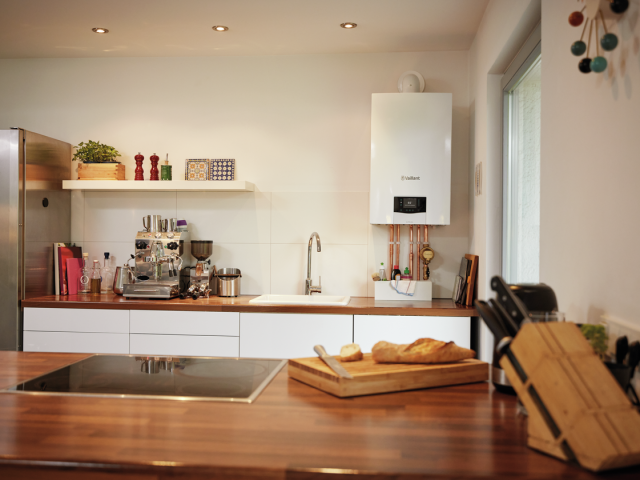
Your boiler is the heart of your heating system, and its efficiency directly impacts your energy bills. Neglected boilers can waste up to 30% of the energy they consume.
Schedule Your Annual Boiler Service
One of the most effective ways to reduce heating costs is ensuring your boiler operates at peak efficiency. Regular boiler servicing provides:
- Improved efficiency through proper calibration and cleaning
- Early fault detection before they become expensive problems
- Optimised fuel consumption saving money on every heating cycle
- Extended boiler lifespan protecting your investment
- Maintained warranty coverage on newer systems
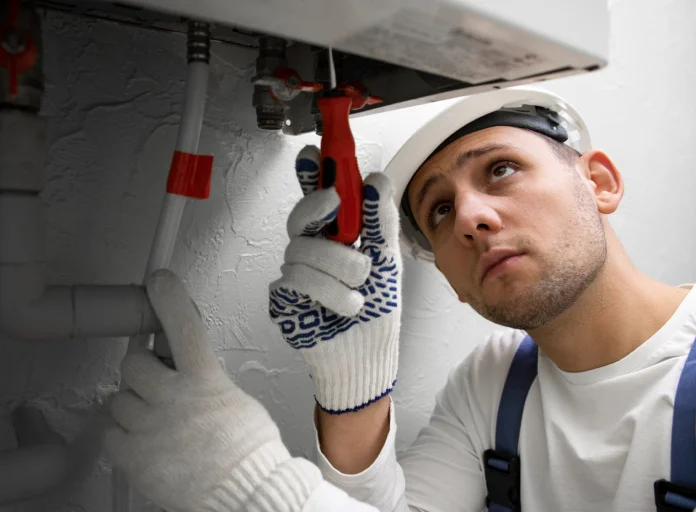
A Gas Safe registered engineer will clean components, check for wear, test safety features, and ensure your boiler runs as efficiently as possible.
Consider Upgrading an Old Boiler
If your boiler is over 10-15 years old, it’s likely costing you significantly more to run than a modern condensing boiler. Older boilers typically operate at 60-70% efficiency, whilst new models achieve 90-95% efficiency.
This means for every £100 spent on heating:
- Old boiler: £30-40 wasted
- Modern condensing boiler: £5-10 wasted
Upgrading to a new energy-efficient boiler through professional boiler installation can reduce heating costs by 20-35% annually. Whilst the upfront investment is substantial, most homeowners recoup costs within 5-7 years through reduced energy bills.
Address Boiler Issues Promptly
Warning signs that your boiler is wasting energy include:
- Kettling or banging noises
- Frequent pressure loss
- Radiators taking ages to heat up
- Yellow pilot light flame (should be blue)
- Increased energy bills without explanation
Don’t ignore these symptoms. Prompt boiler repairs prevent small issues becoming expensive failures and restore efficiency quickly.
Optimise Your Heating Controls
Smart use of heating controls is one of the quickest ways to reduce heating costs without compromising comfort.
Install a Programmable or Smart Thermostat
Modern thermostats offer substantial savings:
- Programmable thermostats allow you to schedule heating around your routine
- Smart thermostats learn your habits and adjust automatically
- Zone controls heat only occupied rooms
- Remote access prevents wasting energy when plans change
Research shows smart thermostats can reduce heating costs by 10-23% through optimised scheduling and temperature management.
Set the Right Temperature
The Energy Saving Trust recommends:
- Living areas: 18-21°C (most comfortable at 19-20°C)
- Bedrooms: 16-18°C (better for sleep quality)
- Unused rooms: 15-16°C minimum to prevent damp
Every degree you lower your thermostat can reduce heating costs by approximately 10%. Most people won’t notice a 1°C reduction, but your energy bill certainly will—potentially saving £80-100 annually.
Use Heating Timers Effectively
Programme your heating to match your lifestyle:
- Morning boost: 30 minutes before waking
- Daytime reduction: Lower when house is empty
- Evening comfort: Warmth when family is home
- Night setback: Reduced temperature whilst sleeping
Avoid leaving heating on low all day—it’s more efficient to heat your home when needed rather than maintaining constant temperature.
Improve Your Home’s Insulation
Poor insulation is like pouring money out of your windows and roof. Even the most efficient boiler can’t compete with heat escaping through inadequate insulation.
Loft Insulation
An uninsulated loft can lose 25% of your home’s heat. Proper loft insulation:
- Costs around £300-400 for typical homes
- Saves approximately £355 per year
- Pays for itself within 1-2 years
- Lasts 40+ years with minimal maintenance
The recommended depth for loft insulation is 270mm. If yours is thinner, topping up is an excellent investment.
Cavity Wall Insulation
Around 35% of heat loss occurs through walls in uninsulated homes. Cavity wall insulation:
- Costs £500-1,500 depending on property size
- Reduces heating costs by £135-255 annually
- Usually pays for itself within 3-5 years
Not all properties have cavity walls, but if yours does, this is one of the most effective ways to reduce heating costs.
Draught Proofing
Draughts around doors, windows, floorboards, and letterboxes waste huge amounts of energy. Simple draught-proofing measures include:
- Door draught excluders (£5-15 each)
- Window sealing strips (£3-6 per window)
- Letterbox brushes (£5-10)
- Chimney balloons for unused fireplaces (£15-25)
Total cost: £50-100 for a typical home Annual savings: £30-50 These simple additions provide immediate benefits and excellent return on investment.
Radiator Reflector Panels
Heat radiators on external walls lose warmth through the wall behind them. Reflector panels:
- Cost £10-20 per radiator
- Reflect heat back into the room
- Particularly effective on solid external walls
- Quick DIY installation
Maximise Radiator Efficiency
Your radiators distribute heat throughout your home, so ensuring they work efficiently helps reduce heating costs considerably.
Bleed Radiators Regularly
Air trapped in radiators prevents hot water circulating properly, creating cold spots and reducing efficiency. Signs you need to bleed radiators:
- Cold patches at the top of radiators
- Gurgling or trickling sounds
- Some radiators cooler than others
- Longer heating times
Bleeding radiators is simple and takes just minutes per radiator, yet can immediately improve heating performance.
Consider Power Flushing
If radiators remain partially cold after bleeding, sludge and debris may be blocking your system. Power flushing thoroughly cleanses your heating system:
- Removes rust, sludge, and limescale
- Restores full heating capacity
- Improves boiler efficiency
- Extends system lifespan
A professional power flush typically costs £300-600 but can reduce heating costs by 15-25% annually through improved efficiency.
Don’t Block Radiators
Common mistakes that waste energy:
- Furniture pushed against radiators
- Heavy curtains covering radiators
- Clothes drying on radiators (reduces efficiency by up to 20%)
- Radiator covers restricting airflow
Keep radiators clear and heat will circulate freely, warming your home more effectively.
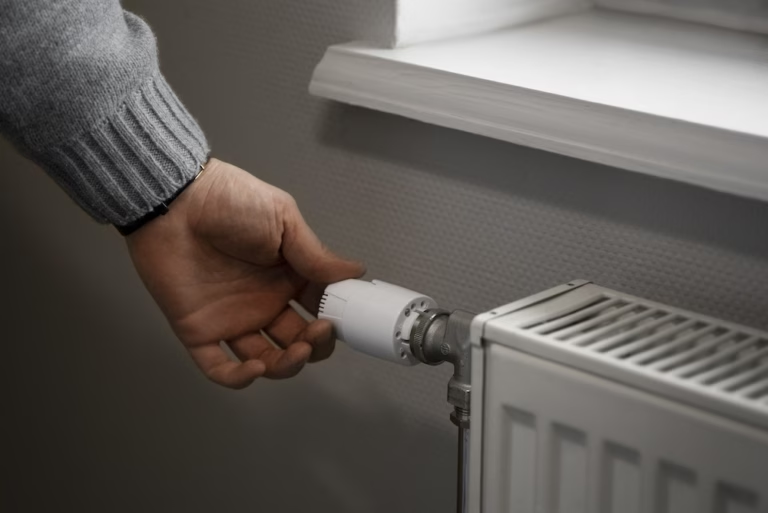
Use Thermostatic Radiator Valves (TRVs)
TRVs allow you to control temperature in individual rooms:
- Set lower temperatures in rarely used spaces
- Reduce bedroom heating at night
- Increase comfort in frequently occupied rooms
- Automatically regulate heat output
This targeted approach can reduce heating costs by 5-10% whilst improving comfort.
Smart Heating Habits to Cut Costs
Small changes in daily habits can significantly reduce heating costs over the coldest months.
Close Doors and Curtains
These simple actions trap warmth:
- Close internal doors to retain heat in occupied rooms
- Draw curtains at dusk to provide extra insulation (can reduce heat loss by 15-17%)
- Open curtains during sunny days to benefit from free solar heating
- Use door snakes on gaps under doors
Layer Up Appropriately
Before reaching for the thermostat:
- Wear warm clothing indoors (jumpers, slippers, layers)
- Use throws and blankets in living areas
- Choose warmer bedding during winter months
- Consider heated blankets for evening comfort (cost pennies to run vs whole-house heating)
Reducing your thermostat by just 1°C and dressing slightly warmer can save £80-100 annually.
Heat the Person, Not the Space
Sometimes targeted heating is smarter:
- Electric blankets for personal warmth (5-10p per hour)
- Hot water bottles (virtually free)
- Heated throws for sofa comfort
- Oil-filled radiators for home offices
These cost far less than heating entire properties when only one or two rooms are occupied.
Time Your Heating Wisely
Avoid these expensive habits:
- Leaving heating on when everyone’s out
- Running heating overnight when asleep under warm duvets
- Heating spare rooms nobody uses
- Setting heating too high then opening windows
Windows and Doors: Stop Heat Escaping
Windows and doors are major sources of heat loss, particularly in older properties.
Upgrade to Double or Triple Glazing
Single-glazed windows lose enormous amounts of heat. Upgrading provides:
- Double glazing: 50-70% reduction in window heat loss
- Triple glazing: Up to 75% reduction in heat loss
- Secondary glazing: Budget-friendly alternative (30-50% improvement)
Whilst expensive (£300-1,000+ per window), new glazing reduces heating costs for decades and increases property value.
Use Thermal Curtains
An affordable alternative to new windows:
- Thermal/lined curtains provide insulation barrier
- Cost £20-100 per window
- Reduce heat loss by 10-25%
- Also block summer heat
Keep them open during sunny days to capture solar warmth, then close at dusk to retain heat.
Seal Window and Door Gaps
Check for gaps around frames where cold air infiltrates:
- Use sealant or expanding foam for larger gaps
- Apply weather-stripping around door frames
- Replace worn door seals
- Consider professional draught-proofing for older properties
Long-Term Investments That Reduce Heating Costs
Some improvements require upfront investment but deliver substantial long-term savings.
Solar Panels
Solar panels generate free electricity that can power:
- Electric heating systems
- Immersion heaters for hot water
- Heat pumps
- General household electricity (reducing overall energy costs)
Typical installation costs £4,000-6,000, with savings of £300-500 annually. Government incentives may be available.
Heat Pumps
Air source or ground source heat pumps extract heat from outside and amplify it for home heating:
- Efficiency ratings of 300-400% (compared to 90-95% for boilers)
- Running costs 40-60% lower than oil heating
- Lower than gas in many installations
- Government grants available under Boiler Upgrade Scheme (up to £7,500)
Ideal for well-insulated properties, heat pumps represent the future of home heating.
Underfloor Heating
Underfloor heating distributes heat more evenly at lower temperatures:
- Operates efficiently at 35-45°C (radiators need 60-80°C)
- Provides superior comfort
- Works exceptionally well with heat pumps
- Eliminates radiators, freeing wall space
Best installed during major renovations but can transform heating efficiency.
Monitor and Track Your Energy Use
Understanding your energy consumption patterns helps identify opportunities to reduce heating costs further.
Install a Smart Meter
Smart meters provide:
- Real-time energy consumption data
- Detailed usage breakdowns
- Alerts when consumption spikes
- Accurate bills without estimated readings
This visibility encourages energy-conscious behaviour and helps identify problems quickly.
Track Heating Patterns
Keep simple records:
- Monthly energy bills
- Outside temperatures
- Heating schedule changes
- Home improvements completed
This data helps you assess which measures deliver the best savings and identify unusual consumption that might indicate problems.
Regular Performance Checks
Monitor your system’s performance:
- Are all radiators heating evenly?
- Is boiler pressure stable?
- Has hot water temperature changed?
- Are there unusual noises?
Early detection of issues prevents efficiency losses and expensive repairs.
West Sussex-Specific Considerations
Living in West Sussex presents particular heating challenges and opportunities:
Coastal Weather Impacts
Coastal areas around Worthing, Littlehampton, and Bognor Regis experience:
- Higher humidity affecting heating efficiency
- Salt air potentially corroding heating components
- Stronger winds increasing heat loss
- Milder but damper conditions
Regular boiler maintenance is particularly important in coastal locations to combat corrosion and ensure efficiency.
Rural Properties
Rural West Sussex homes often face:
- Older, less insulated building stock
- Larger properties with higher heating demands
- Oil or LPG heating (typically more expensive than gas)
- Greater exposure to weather
These properties particularly benefit from insulation improvements and heating control upgrades.
Local Support and Grants
West Sussex residents may be eligible for:
- Energy Company Obligation (ECO) grants for insulation
- Local Authority Flexible Eligibility schemes
- Boiler Upgrade Scheme for heat pump installations
- Home Upgrade Grant for off-gas grid properties
Contact your local authority or visit the government’s Simple Energy Advice website to check eligibility.
Frequently Asked Questions
What’s the cheapest temperature to keep your house in winter?
The Energy Saving Trust recommends 18-21°C for living areas, with 19-20°C being the sweet spot for comfort and efficiency. Bedrooms can be cooler at 16-18°C. Every degree lower saves approximately 10% on heating costs, so finding the lowest comfortable temperature for your household maximises savings.
Is it cheaper to leave heating on low all day or use a timer?
Using a timer is almost always cheaper. Heating your home only when needed is more efficient than maintaining constant temperature. Modern condensing boilers heat homes quickly, so there’s no financial benefit to leaving heating on continuously. Programme heating to come on 30 minutes before you need it.
How can I reduce heating costs immediately without spending money?
Close curtains at dusk, shut doors between rooms, lower your thermostat by 1°C, wear warmer clothing, bleed radiators with air trapped inside, ensure furniture isn’t blocking radiators, and turn heating off when you’re out or asleep. These free changes can reduce heating costs by 15-20%.
Does turning radiators off in unused rooms save money?
Yes, turning off or reducing radiators in unused rooms can save 5-10% on heating costs. However, don’t let any room drop below 15°C as this risks damp and mould. Use thermostatic radiator valves to maintain minimum temperatures whilst reducing heat to rarely-used spaces.
How much does a new boiler reduce heating bills?
Replacing a G-rated boiler (older than 15 years) with a modern A-rated condensing boiler typically reduces heating costs by 20-35%. For an average home spending £1,000 annually on heating, this means savings of £200-350 per year. The payback period is usually 5-8 years.
Should I upgrade my boiler before or after improving insulation?
Ideally, improve insulation first. Better insulation reduces your heating demand, which means you may need a smaller, less expensive boiler when you do upgrade. However, if your current boiler is failing or very inefficient, replacing it first delivers immediate savings whilst you plan insulation improvements.
Conclusion
Learning how to reduce heating costs during the coldest months doesn’t mean suffering through a freezing home. By combining smart boiler maintenance, improved insulation, optimised heating controls, and energy-conscious habits, West Sussex homeowners can stay comfortably warm whilst significantly reducing energy bills.
Start with the no-cost changes—adjusting your thermostat, closing curtains, bleeding radiators, and optimising your heating schedule. These alone can reduce heating costs by 15-20% immediately. Then consider longer-term investments like boiler servicing, insulation improvements, and heating control upgrades that deliver savings year after year.
Remember that your boiler’s efficiency is fundamental to controlling costs. An annual service ensures it operates at peak performance, whilst upgrading an old, inefficient boiler can transform your energy bills permanently.
Expert Heating Advice for West Sussex Homeowners
At Lock & Lindfield, we help homeowners across West Sussex reduce heating costs through expert boiler services, maintenance, and energy-saving advice. Our Gas Safe registered engineers can assess your system, identify efficiency improvements, and ensure your heating runs as economically as possible.
Ready to reduce your heating bills this winter?
Contact Lock & Lindfield today to book your boiler service, discuss heating system upgrades, or get expert advice on improving your home’s heating efficiency. We serve homes throughout West Sussex with professional, reliable heating services that help you stay warm for less.
Call us now or visit our services pages to discover how we can help you reduce heating costs and improve home comfort throughout the coldest months.