Choosing a new boiler is one of the most significant home improvement decisions you’ll make, and one of the first questions you’ll face is which type of boiler suits your property. Combi, system, or regular? Each has distinct advantages and limitations, and the right choice depends entirely on your specific circumstances—your home’s size, hot water demands, available space, and existing heating infrastructure.
Get this decision right, and you’ll enjoy efficient, reliable heating and hot water for 12-15 years or more. Get it wrong, and you could face inadequate hot water pressure, wasted energy, unnecessary expense, or the frustration of a system that simply doesn’t meet your household’s needs.
For homeowners across West Sussex considering boiler replacement, this comprehensive guide explains exactly how each boiler type works, compares their advantages and disadvantages, and provides clear guidance on which option suits different property types and household situations. By the end, you’ll understand not just the differences between combi, system, and regular boilers, but which one is genuinely right for your home.
Understanding the Three Boiler Types
Before comparing, let’s establish exactly how each boiler type works.
Combi Boilers (Combination Boilers)
How They Work:
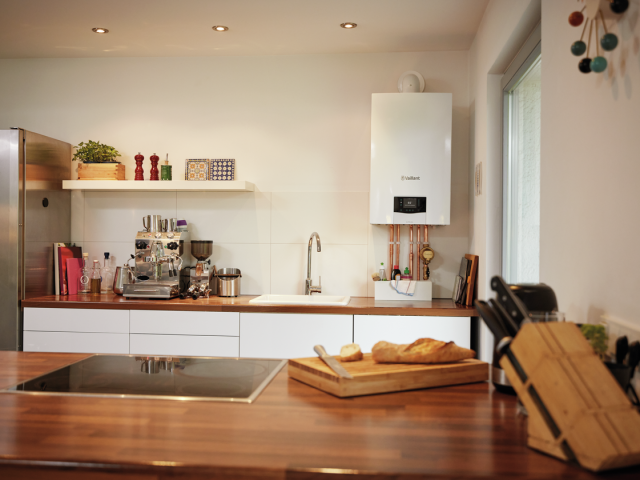
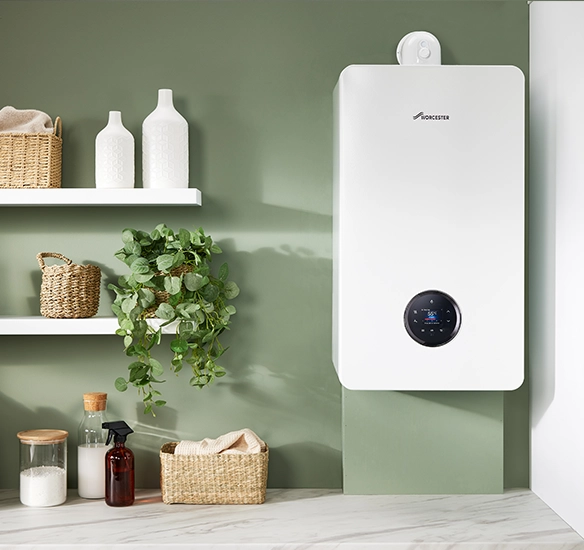
Combi boilers are compact units that provide both central heating and instant hot water directly from the mains supply. There’s no need for separate hot water cylinders or cold water storage tanks—everything happens within the single boiler unit.
When you turn on a hot tap:
- Cold mains water flows into the boiler
- The boiler fires and heats the water instantly
- Hot water flows directly to your tap
- When you close the tap, heating stops
For central heating:
- The boiler heats water in a sealed system
- A pump circulates water through radiators
- Cooled water returns to the boiler for reheating
The boiler automatically prioritises hot water over heating—when you run a tap, heating temporarily pauses to ensure instant hot water delivery.
Key Components:
- Single wall-mounted unit
- No external cylinder or tanks
- Sealed heating system with expansion vessel
- Mains-pressure hot water delivery
System Boilers
How They Work:
System boilers heat water for both your central heating and a separate hot water storage cylinder. They work with a sealed heating system (no header tanks in the loft) but require a cylinder to store hot water for later use.
When you need hot water:
- The cylinder contains pre-heated water ready for immediate use
- Opening a tap releases water from the cylinder
- The boiler periodically reheats the cylinder to maintain temperature
- Hot water is available until the cylinder empties
For central heating:
- The boiler heats water in the sealed system
- Water circulates through radiators via the pump
- Operates similarly to a combi for heating purposes
Key Components:
- Wall-mounted boiler unit
- Separate hot water cylinder (usually in airing cupboard)
- Sealed system with expansion vessel built into boiler
- No header tanks in loft
- Cylinder thermostat and programmer
Regular Boilers (Conventional/Traditional/Heat-Only)
How They Work:
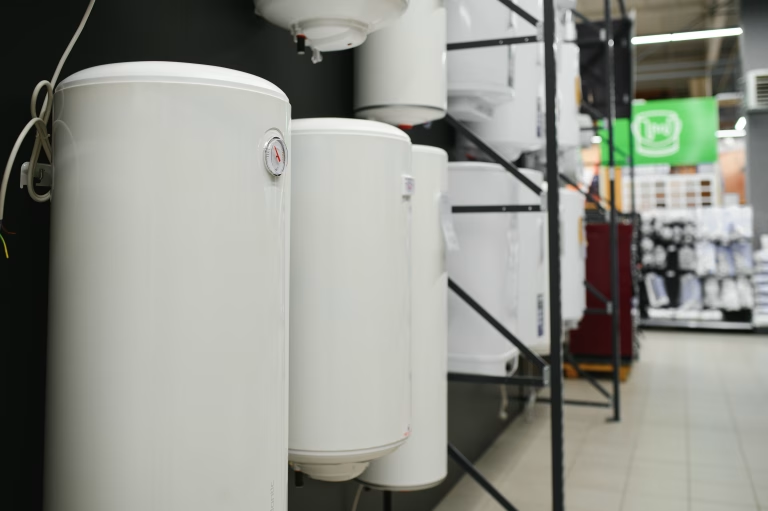
Regular boilers are the traditional setup found in older UK homes. They heat water for both central heating and a hot water cylinder, but work with an open-vented system that includes cold water tanks in the loft.
The system includes:
- Boiler unit (often in kitchen or utility room)
- Hot water cylinder (usually in airing cupboard)
- Cold water storage tank in loft (feeds the cylinder)
- Feed and expansion tank in loft (tops up heating system)
- External pump and motorised valves
When you need hot water:
- Cold water from the loft tank feeds into the cylinder
- The boiler heats a coil inside the cylinder
- The surrounding water heats up and is stored
- Opening a tap releases hot water from the cylinder
- Cold water from the tank refills the cylinder
Key Components:
- Boiler unit
- Hot water cylinder
- Cold water storage tank (loft)
- Feed and expansion tank (loft)
- External pump
- Motorised zone valves
- Multiple thermostats
Combi Boilers: Detailed Analysis
Combi boilers dominate the UK market, accounting for approximately 70% of new installations. Here’s everything you need to know.
Advantages of Combi Boilers
Space Efficiency: Combi boilers eliminate the need for:
- Hot water cylinder (frees airing cupboard)
- Loft tanks (recovers loft space)
- Associated pipework
For smaller homes, flats, and properties where space is premium, this is a significant benefit. The boiler itself is typically compact and wall-mounted.
Instant Hot Water: Hot water is available immediately on demand. There’s no waiting for a cylinder to heat up and no risk of running out mid-shower because the tank has emptied.
Energy Efficiency: Combi boilers only heat water when you need it—there’s no cylinder constantly maintaining temperature. This eliminates standing heat losses that occur with stored hot water systems.
Modern combi boilers achieve efficiency ratings of 92-94%, and because they don’t maintain a hot cylinder, actual energy consumption can be lower than other types for suitable properties.
Lower Installation Cost: With fewer components to install, combi boiler installation is typically the most economical option:
- Single unit to fit
- Less pipework required
- No cylinder to install
- Simpler controls
Mains Pressure Hot Water: Hot water is delivered at mains pressure, providing strong flow to showers without needing additional pumps. This is particularly beneficial for shower quality.
Simpler System: Fewer components mean:
- Less to go wrong
- Simpler maintenance
- Easier diagnosis when problems occur
- Lower ongoing maintenance costs
Disadvantages of Combi Boilers
Limited Hot Water Flow: The boiler can only heat water at a certain rate (measured in litres per minute). Typical domestic combis deliver 10-15 litres per minute—adequate for one outlet at a time but insufficient for simultaneous use.
Running two showers simultaneously, or a shower plus hot tap, results in reduced temperature or flow to both outlets.
Not Suitable for High Demand: Households with:
- Multiple bathrooms used simultaneously
- Large families with back-to-back showers
- Multiple hot water outlets needed at once
…may find combi boilers inadequate.
Dependent on Mains Pressure: Hot water performance depends on incoming mains pressure. Properties with poor mains pressure will experience weak hot water flow—the boiler can only deliver what the mains supplies.
No Backup Hot Water: If the boiler fails, there’s no stored hot water to use. With a cylinder system, you’d still have whatever hot water remained in the tank.
Not Compatible with Some Showers: Combi boilers cannot supply traditional gravity-fed shower systems and may not work with certain power showers designed for low-pressure systems.
Complex Internal Components: While the overall system is simpler, the boiler unit itself contains more components than a regular boiler, potentially meaning more internal parts that could fail.
Who Should Choose a Combi Boiler?
Ideal For:
- 1-3 bedroom properties
- Homes with one bathroom (or one bathroom plus en-suite)
- Couples, small families, or single occupants
- Properties with limited space
- Flats and apartments
- Good mains water pressure areas
- Households without simultaneous hot water demands
Not Recommended For:
- Large families (4+ people with high simultaneous demand)
- Properties with 3+ bathrooms
- Homes with multiple showers running at once
- Properties with poor mains pressure
- Households wanting power showers
- Very large properties with extensive pipework
System Boilers: Detailed Analysis
System boilers offer a middle ground between combi convenience and stored hot water benefits.
Advantages of System Boilers
Better Hot Water Performance: With a storage cylinder, system boilers can deliver:
- Hot water to multiple outlets simultaneously
- Consistent temperature regardless of demand
- Strong flow rates from larger cylinders
- Power shower compatibility
The cylinder size determines capacity—larger cylinders serve more outlets.
Mains Pressure Throughout: Like combis, system boilers work with sealed systems at mains pressure. Hot water is delivered at good pressure (when using an unvented cylinder), providing satisfying showers without additional pumps.
Faster Hot Water Recovery: Modern system boilers with well-sized cylinders reheat quickly, ensuring hot water availability even with heavy use.
No Loft Tanks: Unlike regular boilers, system boilers don’t require cold water storage in the loft. This:
- Reduces frost risk
- Simplifies installation
- Saves loft space
- Eliminates tank maintenance
Compatible with Solar Thermal: System boilers integrate well with solar thermal panels. The cylinder can be heated by both the boiler and solar collectors, potentially reducing energy bills significantly.
Built-In Components: Most system boilers have the pump and expansion vessel built in, simplifying installation and reducing external components.
Reliable Hot Water Supply: Even if the boiler temporarily fails, stored hot water remains available for immediate needs.
Disadvantages of System Boilers
Cylinder Space Required: You’ll need space for a hot water cylinder, typically in an airing cupboard. Cylinders range from 120-300+ litres—larger capacities need more space.
Higher Installation Cost: System boiler installation costs more than combi because:
- Cylinder purchase and installation
- Additional pipework
- More complex controls
- Longer installation time
Hot Water Can Run Out: Unlike combis with unlimited (if flow-limited) hot water, cylinders empty with use. Heavy demand can exhaust stored water, requiring wait time for reheating.
Standing Heat Losses: Maintaining a hot cylinder 24/7 consumes energy even when not using hot water. Modern cylinders are well-insulated, but losses still occur.
Slightly More Complex: More components mean:
- More potential failure points
- Slightly higher maintenance needs
- More to consider when troubleshooting
Cylinder Heating Time: From cold, cylinders take 20-45 minutes to heat fully (depending on size and boiler output). This requires planning if hot water has been depleted.
Who Should Choose a System Boiler?
Ideal For:
- 3-4+ bedroom properties
- Homes with 2-3 bathrooms
- Families with simultaneous hot water needs
- Properties wanting power showers
- Households with higher hot water demand
- Homes considering solar thermal
- Properties with space for a cylinder
- Good mains pressure areas
Not Recommended For:
- Small properties with limited space
- Single occupants with low hot water demand
- Properties where space is critical
- Those wanting the simplest possible system
- Budget-focused installations
Regular Boilers: Detailed Analysis
Regular boilers represent traditional UK heating technology, still appropriate for certain situations.
Advantages of Regular Boilers
Maximum Hot Water Availability: Regular boilers with large cylinders provide excellent hot water capacity for high-demand households. Multiple outlets can run simultaneously with consistent performance.
Suitable for Low Mains Pressure: The gravity-fed design doesn’t depend on mains pressure. The header tank in the loft provides water pressure for the hot water system, making regular boilers suitable for properties with poor mains supply.
Compatible with Existing Systems: Replacing a regular boiler with another regular boiler is often the simplest, most economical option in older properties. The existing cylinder, tanks, and pipework remain—only the boiler changes.
Power Shower Compatible: Regular boilers work with pumped power showers designed for low-pressure systems—something combi boilers cannot accommodate.
Long-Established Technology: Regular boilers are proven, well-understood technology. Most heating engineers are thoroughly familiar with their installation and maintenance.
Heat-Only Simplicity: The boiler itself is simpler than a combi—it only heats water. Fewer internal components can mean longer boiler lifespan in some cases.
Excellent for Large Properties: Very large homes with extensive heating systems and high hot water demand are often best served by regular boilers with large cylinders.
Disadvantages of Regular Boilers
Space Requirements: Regular boilers need:
- Space for the boiler
- Airing cupboard for cylinder
- Loft space for two tanks
- Room for associated pipework
This is the most space-hungry configuration.
Frost Risk: Loft tanks can freeze in severe cold, potentially causing damage. Insulation helps but doesn’t eliminate risk.
More Components to Maintain: With boiler, cylinder, tanks, pump, valves, and multiple thermostats, there’s more that can fail and need maintenance.
Lower Water Pressure (Typically): Gravity-fed systems deliver lower pressure than mains-pressure alternatives. Showers may feel less powerful without additional pumping.
Hot Water Limitations: Like system boilers, hot water can run out if the cylinder empties faster than it reheats.
Installation Complexity: New regular boiler installations (rather than replacements) involve significant work and cost due to the multiple components required.
Less Energy Efficient Overall: Open-vented systems with loft tanks lose more heat than sealed systems. Standing losses from poorly insulated older cylinders add to inefficiency.
Who Should Choose a Regular Boiler?
Ideal For:
- Properties with existing regular boiler systems (replacement like-for-like)
- Large homes with extensive heating systems
- Very high hot water demand households
- Properties with poor mains water pressure
- Homes wanting pumped power showers
- Listed buildings with installation restrictions
- Properties where system conversion isn’t practical
Not Recommended For:
- New installations where alternatives are viable
- Small or medium properties
- Space-constrained homes
- Those wanting simplest system
- Properties with good mains pressure
- Energy efficiency priorities
Direct Comparison: Key Factors
Let’s compare all three types across the factors that matter most.
Hot Water Performance
| Factor | Combi | System | Regular |
|---|---|---|---|
| Flow rate | Limited (10-15 l/min) | Good (depends on cylinder) | Good (depends on cylinder) |
| Simultaneous outlets | Poor (1 at a time) | Good (2-3+) | Good (2-3+) |
| Run-out risk | None (unlimited but slow) | Yes (cylinder empties) | Yes (cylinder empties) |
| Recovery time | Instant | 20-45 minutes | 20-45 minutes |
| Pressure | Mains | Mains (unvented) or low (vented) | Typically gravity (low) |
Winner for Small Homes: Combi Winner for Larger Homes: System or Regular
Space Requirements
| Factor | Combi | System | Regular |
|---|---|---|---|
| Boiler size | Compact | Compact | Compact |
| Cylinder needed | No | Yes | Yes |
| Loft tanks | No | No | Yes (x2) |
| Total footprint | Minimal | Moderate | Maximum |
Winner: Combi (significantly)
Installation Cost
| Boiler Type | Typical Installed Cost |
|---|---|
| Combi (like-for-like) | £1,800-2,800 |
| Combi (new installation) | £2,200-3,500 |
| System (including cylinder) | £2,500-4,000 |
| Regular (like-for-like) | £2,000-3,200 |
| Regular (new installation) | £3,000-5,000 |
Winner: Combi (for new/conversion installations)
Running Costs
| Factor | Combi | System | Regular |
|---|---|---|---|
| Efficiency rating | 92-94% | 92-94% | 92-94% |
| Standing losses | None | Moderate | Higher |
| Overall efficiency | Highest for low demand | Good | Lower due to losses |
Winner: Combi for low-demand homes; System for higher demand
Reliability and Maintenance
| Factor | Combi | System | Regular |
|---|---|---|---|
| Components | Fewer external, more internal | Moderate | Most |
| Failure points | Boiler-centric | Distributed | Distributed |
| Annual service | Standard | Standard | Standard + cylinder check |
| Typical lifespan | 12-15 years | 12-15 years | 12-15 years (tanks longer) |
Winner: Combi (simplest overall system)
Future Flexibility
| Factor | Combi | System | Regular |
|---|---|---|---|
| Adding bathrooms | Challenging | Manageable | Manageable |
| Solar thermal | Not compatible | Excellent | Good |
| Heat pump ready | Limited | Good | Good |
| Increasing demand | Problematic | Add larger cylinder | Add larger cylinder |
Winner: System (most adaptable)
Property-Specific Recommendations
Based on typical West Sussex property types, here’s specific guidance.
Flats and Apartments
Recommended: Combi boiler
Why:
- Space at absolute premium
- Typically 1-2 occupants
- One bathroom usually
- No loft space available
- Simpler installation in multi-unit buildings
Considerations:
- Check mains pressure is adequate
- Ensure boiler size matches radiator count
- Consider electric backup for hot water
Terraced Houses (2-3 Bedrooms)
Recommended: Combi boiler (most cases) or System boiler (if 2+ bathrooms with simultaneous use)
Why Combi:
- Space efficiency valuable
- Typically adequate for 2-4 occupants
- Good mains pressure in most areas
- Cost-effective installation
When to Choose System:
- Family of 4+ with morning rush
- Two bathrooms used simultaneously
- Planning future bathroom addition
- Space available for cylinder
Semi-Detached Houses (3-4 Bedrooms)
Recommended: Combi or System (property-dependent)
Choose Combi If:
- 1-2 bathrooms not used simultaneously
- 3-4 occupants with staggered hot water use
- Space is valuable
- Budget-focused
Choose System If:
- 2-3 bathrooms with simultaneous use likely
- Family of 4+ with concentrated hot water demand
- Planning solar thermal
- Space available for cylinder
- Wanting power shower capability
Detached Houses (4+ Bedrooms)
Recommended: System boiler (most cases) or Regular (existing system/low pressure)
Why System:
- Handles multiple bathroom demand
- Suitable for larger families
- Future-proof for additions
- Solar thermal compatible
- Good balance of performance and efficiency
When to Choose Regular:
- Existing regular system in good condition
- Very poor mains pressure
- Very large property with extensive system
- Listed building restrictions
Older Properties with Existing Regular Systems
Recommended: Regular boiler replacement (often) or System conversion (sometimes)
Keep Regular If:
- Cylinder and tanks in good condition
- Conversion cost prohibitive
- System works well
- Low mains pressure
Convert to System If:
- Tanks showing age
- Want to free loft space
- Mains pressure adequate
- Budget allows
Convert to Combi If:
- Small property
- Low hot water demand
- Maximum space recovery desired
- Existing system problematic
New Build Properties
Recommended: As designed (usually combi or system)
New builds are typically designed around specific boiler types. Follow architect/developer specification unless you have specific requirements suggesting otherwise.
Conversion Considerations
Changing from one boiler type to another involves additional work and cost.
Converting to Combi
From Regular or System:
Work Required:
- Remove cylinder
- Remove loft tanks (if regular)
- Cap redundant pipework
- Install new combi
- Modify heating system for sealed operation
- New controls installation
Additional Cost: £400-1,200 above like-for-like replacement
Considerations:
- Ensure hot water demand suits combi
- Verify mains pressure adequate
- Check radiator system compatible with sealed operation
- Plan for cylinder space repurposing
Converting to System
From Regular:
Work Required:
- Remove loft tanks
- Replace vented cylinder with unvented (usually)
- Modify heating system for sealed operation
- Install system boiler
- New controls
Additional Cost: £500-1,500 above like-for-like replacement
From Combi:
Work Required:
- Install new cylinder
- Create pipework for cylinder
- Install system boiler
- New controls and thermostats
Additional Cost: £800-2,000 above like-for-like replacement
Converting to Regular
Rarely recommended for new installations. If required (listed building, very low pressure):
Work Required:
- Install loft tanks
- Install cylinder
- Extensive pipework
- Multiple controls
Cost: Significantly higher than alternatives—typically only for specific requirements.
Making Your Decision: Step-by-Step Guide
Follow this process to determine the right boiler type for your home.
Step 1: Assess Your Hot Water Demand
Count Your Bathrooms:
- 1 bathroom: Combi likely suitable
- 2 bathrooms: Combi possible, system if simultaneous use
- 3+ bathrooms: System or regular recommended
Consider Your Household:
- 1-2 people: Combi usually ideal
- 3-4 people: Combi or system depending on usage patterns
- 5+ people: System or regular recommended
Think About Usage Patterns:
- Staggered hot water use: Combi can work
- Morning rush with simultaneous showers: System better
- Very high hot water demand: System or regular
Step 2: Evaluate Your Space
Available Cylinder Space:
- No space: Combi only option
- Airing cupboard available: System or regular possible
- Large airing cupboard: Larger cylinder options available
Loft Space:
- Accessible loft: Regular remains option
- No loft/converted loft: Combi or system only
Step 3: Check Your Mains Pressure
How to Check: A professional can measure precisely, but a simple test:
- Fill a bucket at an outside tap
- Time how long to fill (typically 10-litre bucket)
- 10 litres in 30 seconds or less: Good pressure
- 10 litres in 60+ seconds: Poor pressure
Pressure Implications:
- Good pressure: All types suitable
- Poor pressure: Regular may be necessary, or consider mains booster
Step 4: Consider Your Existing System
Current Setup:
- Combi already: Like-for-like usually best
- System already: Like-for-like or consider combi if downsizing
- Regular system: Evaluate conversion vs replacement
System Condition:
- Good cylinder and tanks: May favour keeping type
- Aging components: May favour conversion
Step 5: Factor in Future Plans
Planned Changes:
- Adding bathrooms: Favours system
- Solar thermal interest: Requires system or regular
- Downsizing household: Combi may become suitable
Step 6: Get Professional Assessment
A qualified engineer can:
- Measure mains pressure precisely
- Assess existing system condition
- Calculate heating and hot water requirements
- Recommend appropriate boiler output
- Advise on any conversion implications
Professional guidance ensures you don’t just choose a boiler type, but the right specification within that type.
According to Which? guidance on choosing a boiler, professional assessment is particularly important when changing boiler type, as incorrect sizing or type selection leads to performance problems and higher running costs.
Frequently Asked Questions
Which boiler type is most energy efficient?
All modern boilers—combi, system, and regular—achieve similar efficiency ratings of 92-94% when measured at the boiler. However, overall system efficiency differs. Combis eliminate cylinder standing losses, making them most efficient for low-demand households. System boilers with well-insulated cylinders are highly efficient for higher-demand homes. Regular boilers with loft tanks typically have highest standing losses. For most homes, combi or system boilers deliver the best real-world efficiency.
Can I run two showers at once with a combi boiler?
Generally no, not satisfactorily. Standard combi boilers deliver 10-15 litres per minute—enough for one good shower but insufficient for two simultaneous showers at acceptable temperature and flow. Some high-output combis (35kW+) can support limited simultaneous use, but if regular multiple-outlet use is needed, a system boiler with appropriately-sized cylinder is the better choice.
Is it worth converting from a regular boiler to a combi?
It depends on your circumstances. Conversion makes sense if you have low hot water demand (1-2 people, one bathroom), want to reclaim cylinder and loft space, your existing tanks and cylinder are aging, and you have good mains pressure. Conversion typically costs £400-1,200 extra and involves removing existing components. If your current system works well and suits your needs, like-for-like replacement is often more economical.
How do I know if my mains pressure is good enough for a combi?
A qualified engineer can measure precisely, but generally, if your kitchen cold tap fills a 10-litre bucket in under 30 seconds, pressure is likely adequate for a combi. Weak mains pressure (taking 60+ seconds) may result in poor shower performance from a combi. If in doubt, have pressure tested professionally before committing to a combi—discovering inadequate pressure after installation is expensive to resolve.
What size boiler do I need?
Boiler size (output in kW) depends on your heating demand (number and size of radiators) and hot water requirements. For combi boilers, hot water output is particularly important—higher kW means faster hot water flow. Rough guide: 1-2 bed flat: 24-27kW; 2-3 bed house with one bathroom: 28-32kW; 3-4 bed house with 2+ bathrooms: 32-40kW. However, professional calculation considering your specific property ensures correct sizing—oversized boilers waste energy while undersized ones underperform.
Which boiler type has the longest lifespan?
All three types have similar expected lifespans of 12-15 years with proper maintenance. Regular boilers sometimes last slightly longer as the boiler itself is simpler (heat-only), but associated components (cylinder, tanks, valves) age independently. System boilers balance complexity with modern design. Combis have more internal components but fewer external ones. The biggest factor affecting lifespan isn’t type—it’s installation quality and annual servicing. Any well-installed, regularly maintained boiler should reach 15+ years.
Conclusion
Choosing between combi, system, and regular boilers isn’t about finding the objectively “best” type—it’s about matching the right technology to your specific home, household, and hot water demands.
For most small to medium West Sussex properties with one or two bathrooms and moderate hot water needs, combi boilers offer the best combination of efficiency, space saving, and cost-effectiveness. Their limitations around simultaneous hot water use simply don’t affect households that don’t need that capability.
For larger families, homes with multiple bathrooms, or properties where several people need hot water simultaneously, system boilers deliver the performance required while maintaining modern efficiency standards. The additional cost and space requirements are worthwhile investments for households that would find combi limitations frustrating.
Regular boilers remain appropriate for specific situations—primarily existing installations where conversion isn’t practical, properties with poor mains pressure, or very large homes with extensive heating systems. While less common for new installations, they continue serving many West Sussex homes effectively.
Whatever type you choose, the quality of installation and ongoing maintenance matters as much as the boiler type itself. A well-installed, annually serviced boiler of any type will outperform a poorly installed or neglected premium unit.
Expert Boiler Advice for West Sussex Homes
At Lock & Lindfield, we help homeowners throughout West Sussex choose and install the right boiler for their specific needs. Our Gas Safe registered engineers assess your property, measure your mains pressure, evaluate your hot water requirements, and recommend the boiler type and specification that will serve you best.
Not sure which boiler type suits your home?
Contact Lock & Lindfield today for a no-obligation consultation. We’ll assess your property, discuss your household’s needs, and provide clear recommendations based on your specific situation. Whether you need a straightforward boiler installation, advice on conversion options, or simply want to understand your choices better, we’re here to help.
Call us now or visit our services page to arrange your consultation. For existing boilers needing attention, our boiler servicing and boiler repairs keep your current system running efficiently until you’re ready to upgrade.
Make your boiler decision with confidence—let Lock & Lindfield guide you to the right choice.