Introduction
If your radiators are cold at the top, slow to warm up, or making gurgling noises, they may need bleeding.
Bleeding a radiator simply means letting trapped air out of the system. This helps hot water move around the radiator properly, so your room heats up more evenly.
The good news is that bleeding a radiator is usually quick and simple. Here’s how to do it safely.
What Does Bleeding a Radiator Mean?
Bleeding a radiator means releasing trapped air from inside the radiator. When air gets trapped, hot water cannot fill the radiator properly, which can leave the top cold and the bottom warm.
You may need to bleed your radiator if:
- The top feels cold
- The bottom feels warm
- You hear gurgling noises
- The radiator takes a long time to heat up
If the whole radiator is cold, there may be another issue with your heating system.
What You’ll Need
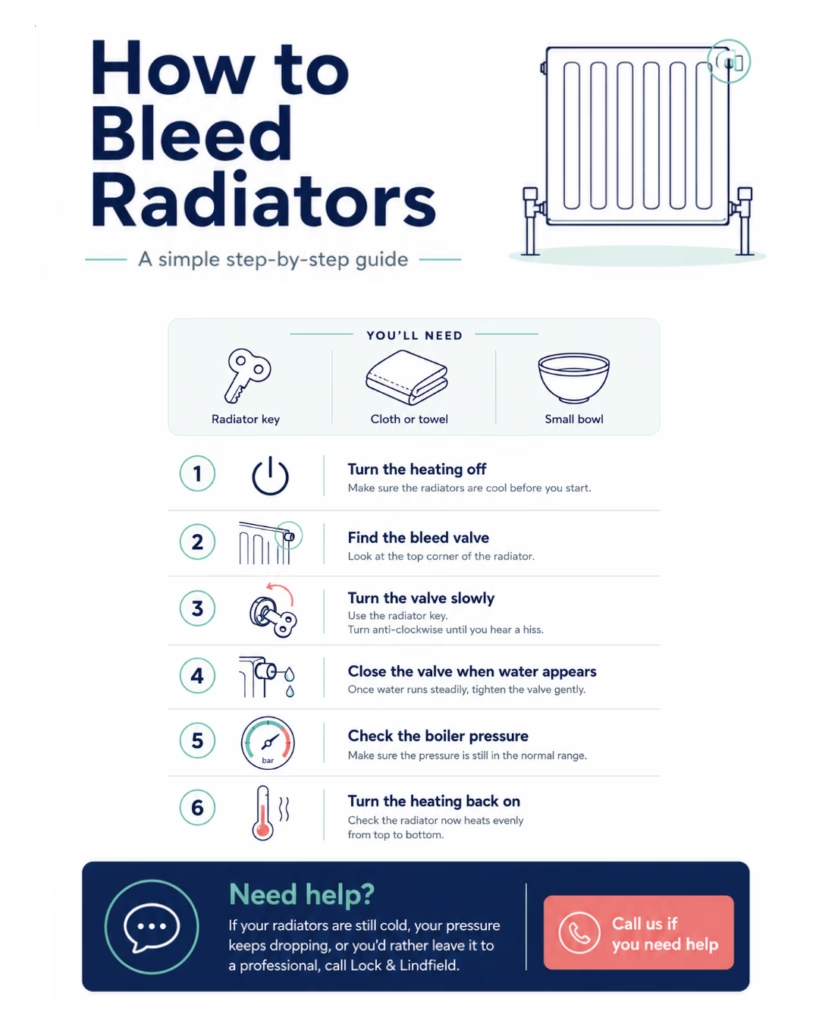
To bleed a radiator, you only need a few basic items. Most homes will just need a radiator key, a cloth, and a small bowl to catch any water.
You’ll need:
- A radiator key
- A cloth or towel
- A small bowl
Keep the cloth underneath the valve to catch drips.
Step 1: Turn the Heating Off
Turn your heating off before bleeding your radiators. This helps keep you safe and stops hot water from spraying out of the valve.
Let the radiators cool before you start.
Do not bleed radiators while they are hot.
Step 2: Find the Bleed Valve
The bleed valve is usually at the top corner of the radiator. It is a small square valve that fits a radiator key.
Place your cloth or towel under the valve.
Hold the bowl underneath too, just in case water comes out.
Step 3: Turn the Valve Slowly
Put the radiator key onto the valve and turn it slowly anti-clockwise. You should hear a hissing sound. This is the trapped air escaping.
Only turn it a small amount.
You do not need to fully open the valve.
If the valve feels stuck, do not force it. Call a heating engineer instead.
Step 4: Close the Valve When Water Appears
Once water starts to come out steadily, close the valve. Turn the radiator key clockwise until the valve is shut.
Be careful not to overtighten it.
Wipe away any water with your cloth.
If the valve keeps leaking, call Lock & Lindfield for help.
Step 5: Check the Boiler Pressure
After bleeding radiators, your boiler pressure may drop. Check the pressure gauge on your boiler.
Most boilers should sit around 1 to 1.5 bar when the heating is cold.
If the pressure is too low, the boiler may need topping up.
If you are unsure how to do this, do not guess — call us and we can help.
You can also book a boiler service if your heating system needs checking properly.
Step 6: Turn the Heating Back On
Once the valve is closed and the pressure looks normal, turn your heating back on. Let the radiator warm up and check whether it now heats evenly from top to bottom.
You want the radiator to feel warm all over.
If it is still cold at the top, you may need to bleed it again.
If it is cold at the bottom, there may be sludge in the system. This may need professional attention.
When Should You Call a Heating Engineer?
You should call a heating engineer if bleeding the radiator does not fix the problem. Cold radiators can sometimes point to a bigger issue with your boiler, pressure, pump, pipework, or heating system.
Call Lock & Lindfield if:
- The radiator stays cold
- The valve leaks
- Boiler pressure keeps dropping
- Several radiators are not heating
- Your boiler shows a fault code
- You are not confident doing it yourself
Our team can check the system and advise what needs doing.
For heating issues, visit our boiler repairs page or explore our full boiler and heating services.
Frequently Asked Questions
Why is my radiator cold at the top?
A radiator that is cold at the top usually has trapped air inside. Bleeding the radiator releases the air so hot water can circulate properly.
Why is my radiator cold at the bottom?
A radiator that is cold at the bottom may have sludge or debris inside. Bleeding may not fix this, and the system may need professional cleaning.
Should the heating be on or off when bleeding radiators?
The heating should be off. Let the radiators cool before you start.
What happens if boiler pressure drops after bleeding?
This can happen when air is released from the system. If the pressure drops too low, the boiler may need topping up.
Can I call someone to bleed my radiators?
Yes. If you are unsure, or if the radiator still does not heat properly, call Lock & Lindfield and we can help.
Conclusion
Bleeding radiators is a simple way to help your heating work better. If your radiator is cold at the top, releasing trapped air may solve the problem.
But if your radiators stay cold, your boiler pressure keeps dropping, or you are not sure what to do next, it is best to get help.
📞 Call Lock & Lindfield if you need help with your radiators or heating system.
We’ll be happy to check everything and get your home feeling warm again.