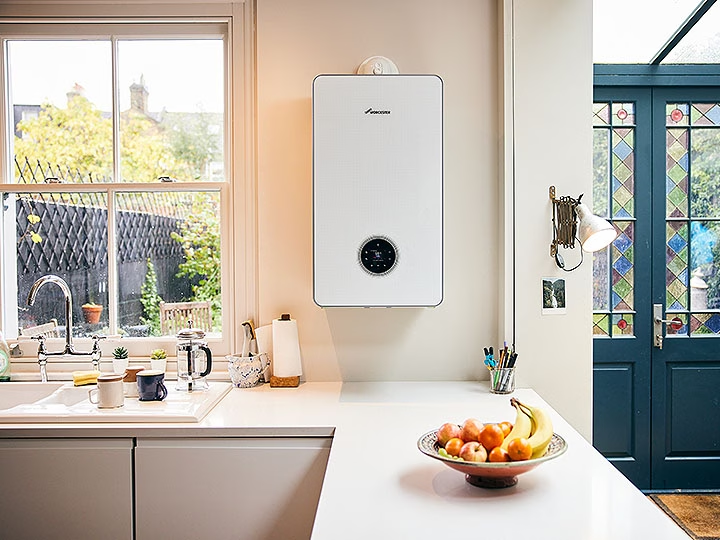
As warmer weather arrives across West Sussex and the heating finally switches off, most homeowners breathe a sigh of relief and forget about their boiler entirely until autumn. It’s understandable—when you’re not relying on your heating daily, it’s easy to let it slip from your mind completely.
But here’s what many people don’t realise: summer is actually a critical time for your heating system. The months when your boiler sits largely dormant can create problems that only reveal themselves when you need heating again—often on the first cold night of autumn when an engineer is hardest to find.
Preparing your heating system for summer properly prevents these issues before they develop. A little attention now protects your boiler during its rest period, maintains efficiency ready for next winter, and ensures you won’t face an unwelcome surprise when temperatures drop again.
This comprehensive guide covers everything you need to know about summer heating care. From simple tasks you can complete yourself to professional services that optimise your system, we’ll explain exactly how to keep your heating in peak condition through the warmer months and beyond.
Why Summer Heating Care Matters
Understanding why your heating system needs attention during summer explains the importance of proper preparation.
The Risks of Complete Neglect
When heating systems sit entirely dormant for months, several problems can develop:
Pump Seizure: Your boiler’s circulation pump contains moving parts that can seize if left stationary for extended periods. Mineral deposits and debris settle, bearings can stick, and seals may dry out. Come autumn, the pump struggles to restart—or fails entirely.
Valve Sticking: Motorised valves, zone valves, and thermostatic radiator valves can all become stuck when not operated regularly. Internal components corrode slightly, lubricants dry out, and mechanisms that worked perfectly in March refuse to budge in October.
Seal Deterioration: Rubber seals throughout your heating system rely on regular water contact to remain supple. Extended dry periods cause hardening and cracking, leading to leaks when the system restarts.
Debris Settlement: Any sludge, rust, or debris in your system settles during dormancy. When heating restarts, this concentrated sediment can block components, damage the boiler, or cause localised overheating.
Undetected Issues Worsening: Small problems present at winter’s end—minor leaks, developing faults, efficiency losses—don’t pause during summer. They continue worsening silently, becoming major failures by autumn.
The Summer Service Advantage
Addressing your heating system in late spring or early summer offers practical benefits beyond prevention:
Engineer Availability: While heating engineers are overwhelmed with emergency calls during winter, summer brings dramatically reduced demand. Appointments are readily available, often within days rather than weeks.
No Urgency Pressure: Any issues discovered can be addressed at your convenience. There’s no pressure to make rushed decisions because you’re cold and need heating immediately.
Competitive Pricing: Many heating companies offer promotional pricing during quieter summer months to maintain steady workflow. You may find better rates than autumn or winter.
Time for Planning: If significant work or replacement is recommended, summer provides months to research options, obtain quotes, and schedule work before winter demand returns.
Essential Summer Preparation Tasks
These key tasks protect your heating system during summer dormancy.
1. Run Your Heating Periodically
The single most important summer task is preventing complete dormancy.
Why It Matters: Running your heating briefly keeps components moving, prevents seizure, circulates inhibitor throughout the system, and identifies any problems while weather is warm.
Recommended Schedule:
- Run heating for 15-20 minutes every 2-4 weeks through summer
- Include both heating and hot water cycles
- Check radiators warm and system operates normally
How to Do It:
- Turn your thermostat above current room temperature
- Set heating to “on” or override any summer programme
- Allow boiler to fire and run for 15-20 minutes
- Feel a few radiators to confirm circulation
- Return to normal summer settings when complete
What to Watch For: During these brief runs, note any:
- Unusual noises from boiler or radiators
- Radiators not heating
- Error codes or lockouts
- Leaks or drips appearing
- Unusual smells
Identifying issues now means addressing them conveniently rather than urgently.
2. Check and Maintain System Pressure
System pressure should remain stable even when heating isn’t in regular use.
Summer Pressure Check:
- Locate your boiler pressure gauge
- Check reading (should be 1.0-1.5 bar)
- Note if significantly different from last check
- Top up if below 1.0 bar
If Pressure Has Dropped: Small drops over several months are normal—systems naturally lose tiny amounts of water. However, significant drops (more than 0.3-0.5 bar) without radiator bleeding suggest a leak that needs investigation.
If Pressure Keeps Dropping: Persistent pressure loss during summer, when the system isn’t being used intensively, clearly indicates a leak. Investigate now while:
- Leaks may be more visible (heating off, system cool)
- Engineers are available
- No urgency exists
- Water damage is minimised
3. Bleed Radiators and Check Operation
Summer is ideal for radiator maintenance when heating isn’t urgently needed.
Why Bleed in Summer: Air accumulates in heating systems throughout winter. Bleeding in summer ensures:
- Maximum efficiency when heating restarts
- Even heat distribution from first use
- No cold spots or delays in autumn
- Problems identified before they matter
Summer Radiator Check Process:
- Turn heating on briefly (warm radiators make bleeding easier)
- Check each radiator for cold spots, particularly at the top
- Bleed any with air using radiator key
- Test TRVs turn freely by moving through full range
- Verify lockshield valves aren’t seized
- Check for leaks at valves and connections
- Top up pressure after bleeding all radiators
Stuck TRV Solution: If thermostatic radiator valves have stuck over winter:
- Remove the TRV head (usually unscrews or unclips)
- Locate the valve pin beneath
- Gently push and release the pin several times
- Apply WD-40 or similar if stuck
- Replace TRV head once pin moves freely
Freeing stuck TRVs now prevents cold rooms when heating restarts.
4. Inspect Your Boiler Visually
A simple visual inspection catches obvious issues before they worsen.
External Check:
- Look for water stains or active drips
- Check for corrosion or rust on casing
- Ensure ventilation grilles aren’t blocked
- Verify flue connection appears secure
- Note any unusual discolouration
Area Around Boiler:
- Clear any items that have accumulated nearby
- Ensure adequate airflow space
- Check wall behind for damp patches
- Verify cupboard ventilation if applicable
Pressure Relief Valve Discharge:
- Check external discharge pipe for water staining
- Signs of discharge indicate pressure issues
- Note for engineer attention if evident
Condensate System:
- Verify condensate pipe is clear
- Check trap contains water (prevents smells)
- Ensure drainage route unobstructed
Documentation: Take photos of any concerns to share with an engineer if needed.
5. Test Carbon Monoxide Alarms
Summer is an excellent time to verify your CO protection works correctly.
Why Test Now:
- Ensures protection ready for increased boiler use in autumn
- Battery replacement before winter
- Identifies any alarm faults
- Peace of mind for summer hot water use
Testing Process:
- Press and hold test button
- Alarm should sound loudly
- Release button—alarm should stop
- If no sound, replace batteries immediately
- If still no sound, replace entire alarm
Summer Battery Replacement: Even if your alarm tests successfully, consider replacing batteries in early summer. Fresh batteries ensure reliable protection throughout the following heating season.
Alarm Age Check: Most CO alarms last 7-10 years. Check the manufacture date—if approaching or exceeding this age, replace the entire unit regardless of test results.
6. Clean Around External Components
Summer weather is perfect for maintaining external heating system components.
Flue Terminal:
- Remove any debris, leaves, or cobwebs
- Clear vegetation growing nearby (maintain 300mm clearance)
- Check mesh guard isn’t blocked
- Verify terminal is secure and undamaged
Condensate Pipe (External Sections):
- Inspect insulation condition
- Note any cracks or damage
- Clear any blockages at discharge point
- Plan repairs or upgrades if needed before winter
Oil Tank (If Applicable):
- Check for leaks or damage
- Verify gauge works correctly
- Clear vegetation from around tank
- Schedule summer fill before autumn demand
Professional Summer Services
Some summer heating preparation benefits from professional expertise.
Annual Boiler Service
If your boiler hasn’t been serviced in the last 12 months, summer is the ideal time to schedule this essential maintenance.
Why Summer Servicing Makes Sense:
Practical Benefits:
- Engineers readily available
- No heating urgency during work
- Competitive pricing often available
- Any issues found can be addressed before winter
- Optimal timing for warranty compliance
What Summer Service Reveals:
- Winter wear on components
- Efficiency losses to address
- Developing problems to monitor
- System cleanliness status
- Safety verification
According to Energy Saving Trust guidance on boiler maintenance, annual servicing maintains efficiency, extends boiler lifespan, and reduces breakdown risk by up to 60%—making summer service excellent preparation for the following heating season.
Booking Your Summer Service: Contact us to arrange boiler servicing at your convenience. Summer appointments are typically available within days, and our engineers have time for thorough inspection without winter’s urgent workload.
System Flush Assessment
If your heating system shows signs of contamination, summer is ideal timing for cleaning.
Signs Your System Needs Flushing:
- Multiple radiators with cold spots (especially at bottom)
- Discoloured water when bleeding radiators
- Boiler making kettling noises
- System slow to heat even when working
- Sludge visible in system water
Why Flush in Summer:
Convenience:
- Heating not needed during the 4-8 hour process
- No discomfort for family
- Can schedule at any convenient time
- No urgency to complete quickly
Effectiveness:
- Fresh inhibitor circulates before heating season
- Clean system ready for intensive winter use
- New protection has time to stabilise
Cost:
- Competitive summer pricing often available
- No emergency premium
- Can bundle with service for discounts
Types of System Flush:
| Type | Process | Cost | Best For |
|---|---|---|---|
| Chemical flush | Cleaning agent left in system | £150-250 | Light contamination |
| Power flush | High-velocity forced cleaning | £350-600 | Moderate to heavy contamination |
| Magna flush | Magnetic and chemical cleaning | £400-650 | Heavy contamination |
Heating System Health Check
Beyond standard servicing, a comprehensive system health check assesses your entire heating installation.
What’s Included:
- Boiler service and safety checks
- Full radiator assessment
- Pipe and valve inspection
- Controls and thermostat evaluation
- System water quality testing
- Efficiency assessment
- Recommendations report
Benefits:
- Complete picture of system condition
- Prioritised recommendations for any work
- Budget planning for improvements
- Peace of mind entering winter
Ideal For:
- Systems over 10 years old
- Unknown maintenance history
- Properties recently purchased
- Recurring problems
- Planning future upgrades
Summer Hot Water Considerations
Your boiler continues working through summer for hot water—this requires specific attention.
Optimising Hot Water Efficiency
While heating rests, hot water production continues. Summer is perfect for optimising this function.
Temperature Check:
- Hot water should be stored at 60°C minimum (legionella prevention)
- But doesn’t need to exceed 65°C (wastes energy)
- Check and adjust cylinder thermostat if needed
- Verify tap temperature is comfortable and safe
Timer Review: Adjust hot water timing for summer patterns:
- May need less frequent heating cycles
- Morning and evening often sufficient
- Consider holiday settings when away
- Avoid heating water unnecessarily overnight
Combi Boiler Considerations: Combi boilers produce hot water on demand, so summer adjustments differ:
- No timer changes needed for hot water
- Check flow rate satisfactory
- Verify temperature consistent
- Note any changes from winter performance
Holiday Settings
Extended summer holidays require special consideration for your heating system.
Before You Leave:
Essential Actions:
- Don’t turn boiler off completely (prevents seizure)
- Use holiday mode if your boiler has one
- Set heating to frost protection (prevents frozen pipes if unseasonably cold)
- Maintain minimum system pressure
Water Considerations:
- Consider turning off water supply (prevents leak damage if pipe fails)
- Turn off immersion heater if fitted
- Drain shower pumps if house unoccupied for weeks
- Close bathroom and kitchen doors (contains any leak damage)
Timers:
- Set lights on timers (security)
- Programme heating for occasional brief runs (system health)
- Inform trusted neighbour of any concerns
Returning Home:
- Check system pressure
- Verify hot water works correctly
- Run heating briefly to confirm operation
- Check for any leaks that occurred while away
Legionella Prevention
Summer temperatures and reduced water use increase legionella risk.
What Is Legionella? Legionella bacteria thrive in water between 20-45°C. They can cause serious illness when inhaled in water droplets (e.g., from showers).
Summer Prevention Measures:
- Maintain hot water storage above 60°C
- Run all outlets weekly if not used regularly
- Flush showerheads and taps before use after holidays
- Don’t let water stagnate in pipes
Returning From Holiday:
- Run all hot taps for several minutes before use
- Flush showerheads thoroughly
- Allow hot water cylinder to reach full temperature
- Run rarely used outlets to clear stagnant water
Addressing Winter’s Legacy
Summer provides opportunity to address issues that developed or were identified during winter.
Repairs You’ve Been Postponing
Many homeowners tolerate minor heating issues through winter rather than scheduling repairs. Summer is the time to address them.
Common Postponed Issues:
- That radiator that never heats properly
- The valve that drips slightly
- The thermostat that’s unreliable
- The strange noise that comes and goes
- The room that’s always colder
Why Address Now:
- No urgency—heating not needed
- Problems won’t worsen through summer
- Engineers readily available
- Ready for winter with everything working
Priority Assessment:
| Issue | Priority | Why |
|---|---|---|
| Gas smell or safety concern | Immediate | Safety critical |
| Active leak | High | Prevents water damage |
| Complete component failure | High | Needed for winter |
| Partial heating problems | Medium | Comfort in winter |
| Efficiency concerns | Medium | Saves money |
| Minor annoyances | Lower | Quality of life |
Contact us for boiler repairs to address any issues before the autumn rush.
Efficiency Improvements
Summer is ideal timing for upgrades that improve heating efficiency.
Controls Upgrade:
- Smart thermostat installation
- Programmer replacement
- Zone control addition
- TRV upgrades
Benefits:
- No heating disruption during installation
- Learn new controls before winter use
- Start saving from first heating day
- Time to optimise settings
System Improvements:
- Magnetic filter installation
- Radiator upgrades
- Pipe insulation
- Draught proofing
Typical Summer Upgrade Costs:
| Upgrade | Cost | Annual Saving | Payback |
|---|---|---|---|
| Smart thermostat | £150-350 | £75-150 | 2-3 years |
| Magnetic filter | £100-200 | £50-100 | 2-3 years |
| TRV upgrade (all radiators) | £200-400 | £40-80 | 3-5 years |
| Pipe insulation | £50-150 | £20-40 | 2-4 years |
Planning Ahead
Summer provides time for major decisions about your heating system.
If Boiler Is Aging: For boilers over 10-12 years old, summer is ideal for:
- Assessing remaining lifespan
- Researching replacement options
- Obtaining multiple quotes
- Planning boiler installation timing
- Arranging financing if needed
Benefits of Summer Planning:
- No emergency pressure
- Time for thorough research
- Multiple quotes without urgency
- Can schedule installation for optimal timing
- May benefit from summer promotional pricing
Questions to Consider:
- How many more winters can my boiler reliably provide?
- What would emergency replacement cost versus planned replacement?
- What efficiency improvements would a new boiler deliver?
- Are there grants or financing options I should explore?
Summer Checklist: Your Complete Guide
Use this checklist to ensure comprehensive summer preparation.
DIY Tasks
Monthly Through Summer:
- Run heating for 15-20 minutes
- Check system pressure
- Listen for unusual sounds during operation
- Visual check of boiler area for leaks
Once in Early Summer:
- Bleed all radiators
- Test all TRVs turn freely
- Check CO alarm and replace batteries
- Clean around flue terminal
- Inspect condensate pipe and insulation
- Clear area around boiler
- Review hot water timer settings
- Test hot water temperature
Before Any Extended Holiday:
- Verify frost protection settings
- Check system pressure
- Consider turning off water supply
- Inform neighbour of travel
Professional Tasks
Recommended:
- Annual boiler service (if not done in last 12 months)
- System flush (if contamination signs present)
- Address any postponed repairs
Consider:
- Heating system health check (older systems)
- Efficiency upgrades
- Boiler replacement consultation (aging systems)
Documentation
- File any service reports
- Note boiler age and warranty status
- Record pressure readings for comparison
- Keep engineer contact information accessible
Month-by-Month Summer Guide
Structure your summer heating care with this seasonal approach.
Late April / Early May
Priority Focus: Post-Winter Assessment
Actions:
- Visual inspection of boiler and system
- Check pressure and bleed radiators
- Test CO alarms
- Note any winter-identified issues
- Book annual service if due
Why Now: Heating season has just ended—any winter wear is fresh and identifiable.
May / June
Priority Focus: Professional Servicing
Actions:
- Annual boiler service
- Address any issues found
- Schedule any recommended repairs
- Consider system flush if needed
- Plan any upgrades
Why Now: Peak availability for engineers, competitive pricing, maximum time before winter.
June / July
Priority Focus: Improvements and Upgrades
Actions:
- Install any planned upgrades
- Address efficiency improvements
- Complete postponed repairs
- Research major decisions (replacement)
Why Now: Longest time before winter, no urgency, warm weather for outdoor work.
July / August
Priority Focus: Maintenance and Monitoring
Actions:
- Continue monthly heating runs
- Holiday preparation if travelling
- Monitor system pressure
- Clean external components
- Verify previous repairs successful
Why Now: Mid-summer check ensures no developing problems.
September
Priority Focus: Pre-Winter Preparation
Actions:
- Final system check before heating season
- Top up pressure if needed
- Verify controls ready for winter programming
- Address any remaining concerns
- Confirm heating works fully before needed
Why Now: Last opportunity before heating becomes essential.
Common Summer Mistakes to Avoid
Learn from others’ errors to protect your heating system.
Mistake 1: Turning the Boiler Off Completely
The Problem: Some homeowners switch off boilers at the mains or isolation valve for summer, thinking this saves energy.
Why It’s Wrong:
- Pump can seize without occasional use
- Valves may stick in position
- No hot water availability
- System pressure not maintained
- Sudden restart in autumn stresses components
The Solution: Leave boiler powered and in summer mode. Use timer/thermostat to manage operation rather than isolating completely.
Mistake 2: Ignoring Pressure Drops
The Problem: Pressure drops noticed in summer are often dismissed—”I’m not using heating anyway.”
Why It’s Wrong:
- Indicates leak that will worsen
- Water damage may be occurring
- System will be worse by winter
- Emergency repair more likely
The Solution: Investigate any significant pressure drop immediately. Small leaks are easier and cheaper to fix than large ones.
Mistake 3: Skipping Annual Service
The Problem: With heating not in use, service feels unnecessary.
Why It’s Wrong:
- Winter wear goes unaddressed
- Efficiency losses continue
- Developing problems worsen
- Warranty may be compromised
- Breakdown risk increases for autumn
The Solution: Service annually regardless of season. Summer service is actually ideal timing.
Mistake 4: Blocking Boiler Ventilation
The Problem: Summer activities lead to items being stored near boilers or in boiler cupboards.
Why It’s Wrong:
- Boilers need airflow even in summer (hot water production)
- Blocked ventilation causes overheating
- Fire risk increases
- Efficiency reduced
The Solution: Keep minimum 200mm clearance around boiler. Never store items in boiler cupboard.
Mistake 5: Assuming Winter Problems Will Resolve
The Problem: That strange noise or partial heating issue is forgotten once heating isn’t needed.
Why It’s Wrong:
- Problems don’t self-repair
- Often worsen during dormancy
- Return worse next winter
- Emergency repair instead of planned fix
The Solution: Document winter issues and address them during summer when engineers are available.
Frequently Asked Questions
Should I turn my boiler off in summer?
No, don’t turn your boiler off completely. Your boiler provides hot water year-round and needs occasional operation to prevent pump seizure and valve sticking. Use your thermostat and timer to manage heating demand while leaving the boiler powered and able to run. Most modern boilers have a summer mode that provides hot water while disabling heating calls—use this rather than switching off entirely.
How often should I run my heating in summer?
Run your heating for 15-20 minutes every 2-4 weeks through summer. This keeps the pump circulating, prevents valve seizure, distributes corrosion inhibitor, and confirms the system operates correctly. You’ll also identify any problems while weather is warm and engineers are readily available—far better than discovering failure on the first cold autumn night.
Is summer a good time to get my boiler serviced?
Summer is actually the ideal time for boiler servicing. Engineers have greater availability without winter’s emergency backlog, you can often secure appointments within days, pricing may be more competitive, and any issues found can be addressed without urgency. Your boiler enters winter thoroughly checked, cleaned, and optimised. Most importantly, you maintain warranty compliance and safety verification.
What temperature should I set my hot water to in summer?
Hot water should be stored at a minimum of 60°C year-round to prevent legionella bacteria growth—this applies equally in summer. There’s no need to increase temperature beyond 65°C, which wastes energy. For combi boilers without storage, maintain your normal temperature setting. If you’re away for extended periods, run all hot taps for several minutes before use on returning.
Should I power flush my heating system in summer?
If your system shows signs of contamination—cold spots at radiator bottoms, discoloured water when bleeding, boiler kettling noises, or slow heating—summer is the perfect time for power flushing. The process takes 4-8 hours during which heating is unavailable, but this causes no discomfort in warm weather. You’ll enter winter with a clean, efficient system protected by fresh inhibitor.
How do I prepare my heating for a summer holiday?
Don’t turn the boiler off completely—set it to frost protection or minimum settings. Consider turning off the water supply to prevent leak damage in your absence. Programme the heating for occasional brief runs to maintain system health. Ensure system pressure is correct before leaving. On returning, run all hot water outlets for several minutes before use to flush potentially stagnant water.
Conclusion
Preparing your heating system for summer isn’t about complex procedures or significant expense—it’s about simple, consistent attention that prevents problems and ensures reliability. The monthly heating runs, pressure checks, and visual inspections take minimal time but deliver substantial protection for your system.
The homeowners who understand this approach enter each winter with complete confidence. They know their boiler has been serviced, their system is clean and protected, their controls are optimised, and everything works exactly as it should. They don’t experience the anxiety of wondering whether their heating will work when temperatures drop, and they don’t face the expense and disruption of emergency repairs.
Conversely, those who completely ignore their heating from April to October frequently discover problems at the worst possible moment. The seized pump, the stuck valve, the developed leak, the accumulated sludge—all reveal themselves when heating is suddenly essential and engineers are overwhelmed with similar emergencies.
The choice is straightforward: invest a little attention through summer, or pay significantly more in autumn and winter. Use this guide to protect your heating system, maintain its efficiency, and ensure your West Sussex home stays warm and comfortable when you need it most.
Professional Summer Heating Services
At Lock & Lindfield, we provide comprehensive summer heating care for homeowners throughout West Sussex. From annual boiler servicing to system flushes, repairs, and efficiency upgrades, our Gas Safe registered engineers deliver quality work when summer availability makes scheduling easy.
Ready to prepare your heating for summer?
Contact Lock & Lindfield today to book your annual service, address any winter issues, or discuss efficiency improvements for your system. With summer appointments readily available, now is the perfect time to ensure your heating is ready for whatever next winter brings.
Call us now or visit our services page to arrange your appointment. For any current concerns about your heating system, our boiler repairs team can diagnose and resolve issues while the weather is warm and urgency is low.
Give your heating system the summer care it deserves—and enjoy complete confidence when autumn arrives.