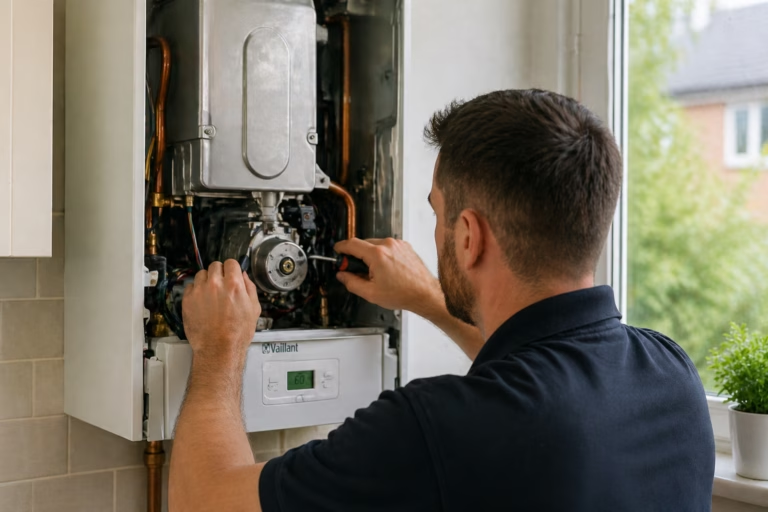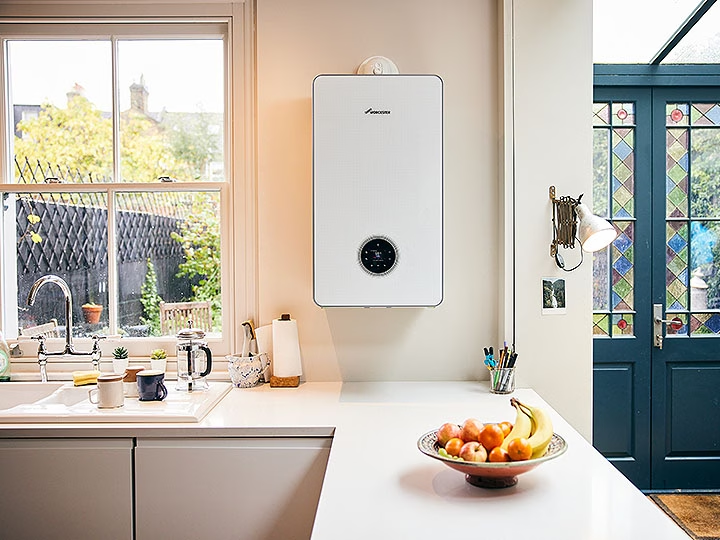
If your boiler struggled through winter, left you with cold showers, or required expensive emergency repairs, you’re probably considering replacement. But when is the best time to actually make that investment? Many homeowners across West Sussex wait until their boiler fails completely—often during the coldest months when they need heating most and engineers are busiest.
The question of whether spring is the best time to replace your boiler deserves serious consideration. As temperatures rise and heating demands decrease, this transitional season offers distinct advantages that can save you money, reduce stress, and ensure your new system is perfectly installed and ready for next winter.
From better pricing and engineer availability to the luxury of time for proper decision-making, spring boiler replacement makes compelling sense for most homeowners. However, it’s not automatically the right choice for everyone—individual circumstances, boiler condition, and financial considerations all play a role.
In this comprehensive guide, we’ll explore the advantages of spring boiler replacement, compare it with other seasons, help you decide if now is the right time for your home, and provide practical guidance on making the most of the spring installation window.
Why Spring Offers Unique Advantages for Boiler Replacement
Spring stands apart from other seasons for several practical reasons that benefit homeowners considering boiler replacement.
Reduced Demand on Heating Engineers
The heating industry experiences dramatic seasonal fluctuations:
Winter (Peak Season):
- Engineers overwhelmed with emergency callouts
- 300-400% increase in breakdown calls
- Waiting times of days or even weeks
- Priority given to repairs over installations
- Limited appointment flexibility
Spring (Off-Peak Season):
- Emergency callout volume drops significantly
- Engineers have capacity for planned work
- Same-day or next-day appointments often available
- More time allocated per installation
- Greater flexibility for scheduling
This reduced pressure means your installation receives unhurried attention. Engineers aren’t racing between emergency calls, allowing them to complete installations thoroughly and address any unexpected complications without time pressure.
According to Checkatrade’s analysis of heating industry trends, spring installations typically receive 20-30% more time allocation than winter installations, resulting in higher quality outcomes and fewer post-installation issues.
Better Pricing and Availability
Spring brings genuine financial advantages:
Installation Costs:
- Many companies offer spring promotions
- Discounts of 5-15% common during quieter periods
- Bundle deals on boiler plus system upgrades
- Finance offers often more competitive
Boiler Availability:
- Full range of models in stock
- Popular brands readily available
- No waiting for manufacturer backorders
- Choice not limited by supply constraints
Labour Rates:
- Standard rates apply (no emergency premiums)
- Engineers may discount for guaranteed work
- Multi-day installations easier to schedule
- No premium for “urgent” installation
Potential Savings Example:
| Cost Element | Winter Installation | Spring Installation |
|---|---|---|
| Boiler unit | £1,200 | £1,100 (promotion) |
| Installation | £900 | £800 |
| Power flush | £450 | £400 (bundle) |
| Total | £2,550 | £2,300 |
| Saving | — | £250 |
Whilst exact savings vary, spring typically offers the best value across the year.
Time for Proper Decision-Making
Winter emergencies force rushed decisions:
Winter Replacement Scenario:
- Boiler fails during cold spell
- Family cold and uncomfortable
- Pressure to accept first available option
- Limited time for quotes comparison
- May choose based on speed, not suitability
- Decisions made under stress
Spring Replacement Scenario:
- Plan replacement at your own pace
- Research brands and models thoroughly
- Obtain multiple quotes and compare
- Ask questions without time pressure
- Make informed decisions
- Choose best option, not fastest option
This breathing room allows you to:
- Research which boiler type suits your home
- Compare efficiency ratings and features
- Check engineer reviews and credentials
- Understand warranty terms fully
- Plan financing if needed
- Schedule around your commitments
Minimal Disruption to Daily Life
Replacing a boiler in spring means minimal impact:
Heating Not Required:
- Mild temperatures make heating unnecessary
- Family comfortable during installation
- No urgency to complete quickly
- Can take time if complications arise
Hot Water Alternatives:
- Weather suitable for cooler showers
- Kettles and pans sufficient temporarily
- Less discomfort during any delays
- No emergency arrangements needed
Scheduling Flexibility:
- Choose dates that suit your calendar
- Avoid school holidays if preferred
- Work around other commitments
- Reschedule if needed without crisis
Installation Quality:
- Engineers work without time pressure
- Thorough testing before completion
- Any issues addressed immediately
- Better handover and explanation
Comparing Boiler Replacement Across Seasons
Understanding how spring compares to other seasons helps you make an informed decision.
Spring (March to May)
Advantages:
- Low demand period for engineers
- Competitive pricing and promotions
- Full boiler range available
- Time for research and comparison
- Minimal heating disruption
- Quality installations without rush
- System tested before winter
Disadvantages:
- May be tempted to delay further
- Heating still occasionally needed in early spring
- Garden access issues during wet weather
Best For: Homeowners with functioning but aging boilers who want to replace proactively before problems worsen.
Rating: ★★★★★ (Excellent)
Summer (June to August)
Advantages:
- Absolute lowest demand period
- Maximum pricing flexibility
- Engineers most available
- No heating needed whatsoever
- Excellent for complex installations
Disadvantages:
- Easy to forget about heating entirely
- Some engineers take holidays
- Hot weather makes loft work challenging
- May delay until “later”—then winter arrives
Best For: Major heating system overhauls, complex installations, or those wanting maximum flexibility.
Rating: ★★★★☆ (Very Good)
Autumn (September to November)
Advantages:
- System ready for winter immediately
- Still moderate engineer availability
- Some promotional pricing continues
- Good weather for external work
Disadvantages:
- Demand increasing as temperatures drop
- Less flexibility in scheduling
- Prices rising toward winter rates
- Risk of delays affecting winter readiness
Best For: Those who missed spring window but want installation before winter demand peaks.
Rating: ★★★☆☆ (Good—Early Autumn Only)
Winter (December to February)
Advantages:
- Immediate benefit from new heating
- Problem can’t be ignored further
- Clear need justifies investment
Disadvantages:
- Peak demand—longest waiting times
- Highest prices and emergency premiums
- Limited boiler availability
- Rushed installations common
- Family discomfort during work
- Pressure leads to poor decisions
- Engineers stretched thin
Best For: Emergency replacements only—never the ideal choice for planned replacement.
Rating: ★★☆☆☆ (Poor—Avoid If Possible)
Season Comparison Summary
| Factor | Spring | Summer | Autumn | Winter |
|---|---|---|---|---|
| Engineer availability | Excellent | Excellent | Good | Poor |
| Pricing | Very Good | Excellent | Good | Poor |
| Boiler choice | Excellent | Excellent | Good | Limited |
| Time pressure | None | None | Moderate | High |
| Comfort during install | Good | Excellent | Good | Poor |
| Quality of installation | High | High | Good | Variable |
| Overall Rating | ★★★★★ | ★★★★☆ | ★★★☆☆ | ★★☆☆☆ |
Spring emerges as the optimal balance between practical advantages and timely preparation for the following winter.
Signs Your Boiler Needs Replacing This Spring
Not every boiler needs replacement, but certain indicators suggest spring action is wise.
Age-Related Indicators
Boiler Over 12-15 Years Old: Modern condensing boilers typically last 12-15 years with proper maintenance. If yours is approaching or exceeding this age:
- Efficiency has declined significantly
- Parts becoming harder to source
- Reliability decreasing
- Technology outdated
- Energy waste increasing annually
Non-Condensing Boiler (Pre-2005): Older non-condensing boilers operate at 60-70% efficiency compared to 90-95% for modern equivalents. Even if functioning, they waste 25-35% of fuel, costing you hundreds annually in excess energy bills.
Performance Problems
Reliability Issues:
- Multiple breakdowns last winter
- Frequent error codes or lockouts
- Intermittent heating or hot water
- Required 2+ repairs in past year
- Engineer mentioned “last repair” warnings
Efficiency Decline:
- Heating bills noticeably higher
- Longer to reach comfortable temperature
- Radiators not as hot as previously
- Boiler running longer for same heat output
- Visible flame yellow/orange instead of blue
Physical Deterioration:
- Visible corrosion or rust
- Leaks from boiler or connections
- Unusual noises (kettling, banging)
- Sooting around flue outlet
- Water stains on walls or ceiling nearby
Financial Indicators
Repair Costs Mounting: If you’ve spent £400-600+ on repairs in the past 12-18 months, that money is better invested in replacement. The “50% rule” suggests replacement when repair costs exceed 50% of new boiler cost.
Energy Bills Increasing: Rising bills without increased usage indicate declining efficiency. Modern A-rated boilers can reduce heating costs by 20-35% compared to older G-rated models—savings of £200-400 annually for typical homes.
Warranty Expired: Once out of warranty, you’re fully exposed to repair costs. Investing in a new boiler with 5-10 year warranty provides financial protection and peace of mind.
Lifestyle Changes
Home Improvements:
- Planning bathroom additions (increased hot water demand)
- Extending property (greater heating requirement)
- Converting loft or garage (additional zones)
- Upgrading radiators or underfloor heating
Family Changes:
- Growing family needing more hot water
- Working from home requiring all-day heating
- Elderly relatives moving in (reliability critical)
- Preparing property for sale (modern boiler adds value)
If several of these indicators apply to your situation, spring replacement is worth serious consideration.
Financial Benefits of Spring Boiler Replacement
Understanding the financial case for spring replacement helps justify the investment.
Immediate Cost Savings
Lower Installation Costs: Spring pricing advantages can save £150-400 compared to winter installation:
- No emergency premiums
- Promotional offers available
- Engineers discount for guaranteed work
- Better negotiating position with multiple quotes
Avoided Emergency Costs: Proactive replacement eliminates:
- Emergency callout fees (£150-250)
- Premium winter repair costs
- Temporary heating solutions
- Lost work time dealing with breakdown
- Potential water damage from failed systems
Long-Term Energy Savings
Efficiency Improvements: Replacing an old boiler with modern A-rated equivalent delivers significant ongoing savings:
| Old Boiler Rating | Efficiency | New Boiler Efficiency | Annual Saving* |
|---|---|---|---|
| G-rated (pre-1998) | 55-65% | 92-94% | £350-450 |
| F-rated (1998-2002) | 65-75% | 92-94% | £250-350 |
| E-rated (2002-2005) | 75-82% | 92-94% | £150-250 |
| D-rated (2005-2010) | 82-86% | 92-94% | £100-150 |
*Based on average UK household heating spend of £1,000-1,200 annually
Cumulative Savings Example: Replacing G-rated boiler with A-rated model:
- Year 1: £350 saved
- Year 5: £1,750 saved
- Year 10: £3,500 saved
- Year 15: £5,250 saved
These savings typically exceed boiler cost within 6-10 years, meaning your new boiler essentially pays for itself.
Property Value Enhancement
Modern boilers add genuine value to your home:
Estate Agent Perspective:
- New boiler viewed positively by buyers
- Eliminates negotiation weakness
- Demonstrates property well-maintained
- Energy efficiency increasingly important to buyers
Typical Value Impact:
- New boiler can add £1,500-3,000 to property value
- Old/unreliable boiler can reduce offers by similar amount
- EPC rating improvement from boiler upgrade assists sales
If you’re considering selling within 5-7 years, spring replacement costs are largely recovered through property value improvement.
Available Financing Options
Spring installation allows time to arrange optimal financing:
0% Finance: Many manufacturers and installers offer 0% finance during spring promotions—typically not available during winter rush.
Spread the Cost:
- 12-36 month payment plans
- Monthly payments from £50-100
- Preserves savings for emergencies
- Makes premium boilers accessible
Government Schemes: Check eligibility for:
- Energy Company Obligation (ECO) grants
- Local authority energy efficiency schemes
- Boiler Upgrade Scheme (for heat pumps)
Spring timing allows proper research into available support before committing.
Choosing the Right Boiler for Spring Installation
With time to research properly, spring allows you to select the ideal boiler for your home.
Boiler Types Explained
Combi Boilers:
- Provide heating and instant hot water
- No storage tanks required
- Compact—ideal for smaller homes
- Most popular choice in UK
- Best for: Flats, small-medium homes, 1-2 bathrooms
System Boilers:
- Work with hot water cylinder
- Stronger hot water flow to multiple outlets
- Good for larger homes
- Compatible with solar thermal
- Best for: Larger homes, 2+ bathrooms, high hot water demand
Regular/Conventional Boilers:
- Traditional setup with cylinder and tanks
- Suitable for older heating systems
- Maximum hot water availability
- Best for: Older properties, very high demand, existing traditional systems
Sizing Your Boiler Correctly
Undersized boiler problems:
- Struggles to heat home adequately
- Runs constantly, increasing wear
- Hot water insufficient
- Higher running costs despite lower output
Oversized boiler problems:
- Higher purchase cost
- Short cycling reduces efficiency
- Increased component wear
- Wasted capacity
Correct sizing considers:
- Number of radiators
- Number of bathrooms
- Property size and insulation
- Hot water usage patterns
- Future requirements
A professional survey ensures correct sizing—something spring timing allows for properly.
Recommended Brands for Reliability
Based on industry reliability data and engineer experience:
Premium Tier (Best Longevity):
- Worcester Bosch: Industry-leading reliability, 10-12 year warranties
- Vaillant: German engineering, consistent performance
- Viessmann: Premium quality, excellent efficiency
Mid-Range (Good Value):
- Ideal: UK-manufactured, solid reliability
- Baxi: Established brand, good parts availability
- Alpha: Competitive pricing, decent performance
Budget Considerations: Cheaper brands may save £300-500 initially but often have:
- Higher breakdown rates
- Shorter warranties (2-5 years vs 7-12)
- Parts availability issues
- Earlier replacement needed
Quality brands typically deliver better 10-year value despite higher upfront cost.
Energy Efficiency Considerations
All new boilers must be at least 92% efficient (A-rated), but some additional features improve efficiency further:
Weather Compensation:
- Adjusts output based on external temperature
- Reduces unnecessary heating
- Can improve efficiency by 5-10%
- Increasingly standard on premium models
Smart Controls Compatibility:
- Enables learning thermostats
- Zone control optimisation
- Remote adjustment
- Efficiency gains of 10-20% possible
Hydrogen-Ready:
- Prepared for future hydrogen blend fuels
- Future-proofs your investment
- No additional cost on many new models
- Government may mandate hydrogen blending
Spring research time allows you to evaluate these features properly rather than accepting whatever’s available immediately.
The Spring Installation Process
Understanding what to expect helps you prepare for smooth installation.
Pre-Installation Steps
1. Initial Assessment: A Gas Safe registered engineer visits to:
- Survey your current system
- Assess property requirements
- Recommend appropriate boiler
- Identify any additional work needed
- Provide detailed quotation
2. Quotation Comparison: With spring timing, you can:
- Obtain 2-3 quotes for comparison
- Ask questions about each proposal
- Negotiate on price or inclusions
- Check references and reviews
- Make unhurried decision
3. Scheduling: Once you’ve chosen:
- Select installation date that suits you
- Discuss timing (typically 1-2 days)
- Arrange access requirements
- Prepare the installation area
- Confirm any additional work
Installation Day
Typical Timeline (Straightforward Swap):
Morning:
- Engineer arrives and confirms work scope
- Old boiler isolated and drained
- Old boiler removed
- Pipework modifications if needed
- New boiler positioned
Afternoon:
- New boiler connected and fitted
- Flue installed/modified
- Electrical connections completed
- System filled and pressure tested
- Gas connections made and tested
Completion:
- Full system testing
- Radiator balancing
- Controls demonstration
- Paperwork completion
- Warranty registration
- Clean-up
Duration:
- Like-for-like replacement: 4-6 hours
- Boiler relocation: 1-2 days
- System upgrade: 2-3 days
- Complex installation: 3-5 days
Post-Installation
Immediately:
- Test heating in all zones
- Check hot water operation
- Verify controls function correctly
- Note any questions for engineer
First Week:
- Monitor system pressure
- Listen for unusual noises
- Check all radiators heat properly
- Report any concerns promptly
Within 30 Days:
- Register warranty with manufacturer
- File documentation safely
- Schedule first annual service
- Leave review for installer
Preparing Your Home for Spring Installation
Proper preparation ensures smooth, efficient installation.
Clearing the Work Area
Around Current Boiler:
- Remove items stored nearby
- Clear access path to boiler
- Ensure adequate lighting
- Protect flooring if needed
Loft Access (If Applicable):
- Clear path to loft hatch
- Remove items blocking access
- Ensure safe boarding if available
External Areas:
- Clear access to flue outlet
- Ensure scaffolding access if needed
- Inform neighbours if work affects shared areas
Practical Preparations
Hot Water:
- Have kettle ready for drinks
- Consider timing for showers before work begins
- Accept hot water unavailable for several hours
Heating:
- Spring weather reduces heating need
- Have extra layers available if cool day
- Electric heater as backup if required
Pets and Children:
- Arrange for them elsewhere during installation
- Keep away from work areas
- Consider noise disruption
Parking and Access:
- Ensure engineer parking available
- Clear driveway for materials delivery
- Provide access to all required areas
Questions to Ask Before Installation
About the Installation:
- Exactly what’s included in the price?
- What additional costs might arise?
- How will old boiler be disposed of?
- What guarantee on workmanship?
About the Boiler:
- Warranty terms and registration process?
- Recommended service schedule?
- Expected lifespan with proper care?
- Controls and features demonstration?
About Aftercare:
- Who to contact with problems?
- Response time for issues?
- Service plan options?
- Parts availability for this model?
Combining Boiler Replacement with System Improvements
Spring installation provides opportunity for system-wide improvements.
Power Flushing
What It Is: Professional cleaning of entire heating system to remove sludge, rust, and debris.
Why Combine with Installation:
- Protects new boiler from contaminated water
- Often required to validate warranty
- More cost-effective as combined service
- Ensures optimal new boiler performance
Cost When Combined:
- Standalone: £400-600
- Combined with installation: £300-450 (typical bundle discount)
- Saving: £50-150
Essential If:
- System hasn’t been flushed in 6+ years
- Multiple radiators had cold spots
- Sludge visible when bleeding radiators
- Previous boiler suffered from kettling
Magnetic Filter Installation
What It Is: Device fitted to heating system that captures iron oxide particles before they reach the boiler.
Benefits:
- Continuous protection for heat exchanger
- Extends boiler lifespan 2-4 years
- Maintains efficiency
- Reduces sludge accumulation
- Simple annual cleaning during service
Cost When Combined:
- Standalone installation: £150-200
- Combined with boiler: £100-150
- Saving: £50
Strongly recommended for all new installations—most quality engineers include automatically.
Smart Controls and Thermostats
Options Available:
- Smart thermostats (Hive, Nest, Tado)
- Weather compensation controls
- Zone heating systems
- App-based control
Benefits:
- 10-25% energy savings
- Convenience and comfort
- Learning algorithms optimise heating
- Remote control when away
Cost When Combined:
- Smart thermostat: £150-300 installed
- Often included in bundle deals
- Pays for itself within 1-2 years through savings
Radiator Upgrades
Consider If:
- Radiators old and inefficient
- Planning room renovations
- Want improved aesthetics
- Need increased heat output
Benefits:
- Modern radiators more efficient
- Better heat distribution
- Designer options available
- Can improve room appearance
Cost When Combined: Labour savings when engineers already on site—typically £30-50 per radiator saved.
System Conversion
Types of Conversion:
- Regular to combi (removing tanks)
- Combi to system (adding cylinder)
- Adding zones or controls
- Relocating boiler position
Spring Advantage: Complex conversions need time—spring provides this without heating urgency.
Addressing Common Concerns About Spring Replacement
Some homeowners hesitate despite the advantages. Let’s address common concerns.
“My Boiler Is Still Working—Why Replace Now?”
The Proactive vs Reactive Debate:
A functioning but aging boiler presents a choice:
Option A: Wait Until Failure
- No immediate cost
- Risk of winter breakdown
- Emergency premium costs likely
- Rushed decision-making
- Family discomfort during crisis
- Potential property damage
Option B: Replace Proactively in Spring
- Planned, controlled expense
- Best pricing and availability
- Proper research and decision
- No emergency stress
- System optimised before winter
- Peace of mind
For boilers over 10-12 years showing any reliability concerns, proactive replacement typically proves less expensive overall when all costs—financial, practical, and emotional—are considered.
“I Can’t Afford It Right Now”
Financial Options to Consider:
0% Finance: Many spring promotions include interest-free finance:
- £2,500 boiler over 24 months = £104/month
- £3,000 boiler over 36 months = £83/month
- No early repayment penalties usually
Boiler on Prescription (ECO Scheme): If receiving certain benefits, you may qualify for free or heavily subsidised replacement through the Energy Company Obligation scheme.
Credit Union Loans: Lower interest rates than commercial lenders, specifically for home improvements.
Savings Over Time: A new efficient boiler saves £200-400 annually. Over 2-3 years, these savings significantly offset the purchase cost.
“What If Prices Drop Later?”
Pricing Trends:
Boiler prices follow predictable patterns:
- Spring: Competitive pricing, promotions common
- Summer: Similar to spring, sometimes even lower
- Autumn: Prices stable to slightly rising
- Winter: Highest prices, fewest promotions
There’s no evidence to suggest waiting will result in lower prices—if anything, supply chain issues and inflation make future prices uncertain. Spring pricing is reliably competitive.
“I’m Selling the House Soon”
Boiler Replacement Before Sale:
Arguments For:
- New boiler adds £1,500-3,000 to value
- Removes buyer negotiation point
- Improves EPC rating
- Demonstrates property well-maintained
- Attracts more buyers
Arguments Against:
- Expense before sale
- New owners might have different preferences
- May not recover full cost in sale price
Recommendation: If boiler is unreliable or very old, replacement usually helps sales. If merely aging but functional, professional service and documentation may suffice.
“Should I Wait for Heat Pump Technology?”
Heat Pumps vs Boilers:
Heat pumps offer excellent efficiency but currently:
- Cost significantly more (£8,000-15,000 installed)
- Require well-insulated properties
- May need radiator upgrades
- Installation more disruptive
- Not suitable for all properties
Government Support: The Boiler Upgrade Scheme offers £7,500 toward heat pump installation—worth investigating if your property is suitable.
Practical Approach: For most West Sussex homes, a modern gas boiler remains the practical choice for the next 10-15 years. When that boiler reaches end of life, heat pump technology and infrastructure will be more mature and accessible.
If you’re interested in future heat pump installation, choose a “hydrogen-ready” boiler now—they’re designed to work with hydrogen blends that may bridge the transition.
Working with Gas Safe Registered Installers
Choosing the right installer is as important as choosing the right boiler.
Why Gas Safe Registration Matters
Legal Requirement: Only Gas Safe registered engineers can legally work on gas boilers. Unregistered work is:
- Illegal (criminal offence)
- Dangerous (carbon monoxide risk)
- Invalidates warranties
- Voids home insurance
- Potentially fatal
Verification: Always check registration:
- Ask to see Gas Safe ID card
- Verify at GasSafeRegister.co.uk
- Note registration number
- Confirm qualified for your boiler type
Choosing an Installer
Research Options:
- Manufacturer accredited installers (access to longer warranties)
- Local companies with established reputation
- Recommendations from friends/family
- Online reviews (check multiple platforms)
Questions to Ask:
- How long in business?
- Manufacturer accreditations held?
- Warranty on workmanship?
- Examples of similar installations?
- References available?
Red Flags:
- Significantly cheaper than others (why?)
- Pressure to decide immediately
- No written quotation
- Unable to show Gas Safe card
- No business premises or contact details
- Cash only payment requests
Getting Quotes
Obtain Multiple Quotes: Spring timing allows you to get 2-3 quotes without pressure. Ensure quotes include:
- Boiler make and model
- All installation work specified
- Power flush if recommended
- Magnetic filter
- Controls upgrades
- Disposal of old boiler
- Warranty details
- Total price with VAT
- Payment terms
Comparing Quotes: Don’t simply choose cheapest—consider:
- Boiler quality and warranty
- Installer reputation and accreditations
- Workmanship guarantee
- Aftercare service
- Overall value
A £200 saving with inferior boiler or inexperienced installer often proves expensive long-term.
Frequently Asked Questions
Why is spring considered the best time to replace a boiler?
Spring offers the optimal combination of low demand (meaning better engineer availability and competitive pricing), minimal heating disruption (mild weather reduces urgency), and time for proper planning before the following winter. You avoid winter emergency premiums, rushed decisions, and the stress of breakdown during cold weather. Spring installation ensures your new system is tested and ready for next heating season.
**How much can I save by replacing my boiler in spring versus winter?
Spring installation typically saves £150-400 compared to winter through lower labour rates (no emergency premiums), promotional pricing on boilers, better negotiating position with multiple quotes, and avoided emergency callout fees. Additionally, you’re not paying for temporary heating solutions or making rushed decisions that may result in unsuitable choices.
Is it worth replacing a boiler that’s still working?
For boilers over 10-12 years old showing reliability concerns, efficiency decline, or requiring frequent repairs, proactive replacement typically costs less overall than waiting for failure. Emergency winter replacement costs 20-40% more than planned spring installation, and you avoid family discomfort, property damage risk, and rushed decision-making. Energy savings from improved efficiency also begin immediately.
How long does a spring boiler installation take?
A straightforward like-for-like replacement typically takes 4-6 hours (one day). Boiler relocation takes 1-2 days. System upgrades or conversions may require 2-3 days. Spring scheduling flexibility means engineers aren’t rushed, allowing thorough installation and proper testing. Complex work can be spread over multiple visits without leaving you without heating.
Should I wait for heat pump technology instead of replacing my gas boiler?
For most homes, a modern gas boiler remains the practical choice currently. Heat pumps cost significantly more (£8,000-15,000 vs £2,000-3,500), require well-insulated properties, and involve more disruptive installation. By the time your new boiler needs replacing in 12-15 years, heat pump technology and infrastructure will be more mature. Choose a “hydrogen-ready” boiler to future-proof your investment.
What should I look for when choosing a spring boiler installer?
Essential criteria include Gas Safe registration (verify at GasSafeRegister.co.uk), manufacturer accreditations (access to longer warranties), established local reputation, written detailed quotations, workmanship guarantees, and positive reviews across multiple platforms. Avoid installers offering significantly lower prices without explanation, requesting cash-only payment, or pressuring immediate decisions.
Conclusion
So, is spring the best time to replace your boiler? For most homeowners across West Sussex, the answer is a resounding yes. The combination of competitive pricing, excellent engineer availability, minimal heating disruption, and time for proper decision-making makes spring the optimal window for this important investment.
Winter boiler failures are stressful, expensive, and entirely preventable with proactive spring planning. Rather than gambling on whether your aging boiler will survive another heating season—and facing emergency premiums and rushed decisions if it doesn’t—spring replacement puts you in control of timing, cost, and outcome.
If your boiler is over 10-12 years old, required multiple repairs last winter, shows declining efficiency, or simply isn’t performing as reliably as it should, spring 2026 presents the ideal opportunity for replacement. You’ll benefit from the best prices, unhurried installation, and complete peace of mind knowing your heating is ready for whatever next winter brings.
The window for spring installation is open now—but as temperatures drop in autumn, demand increases and the advantages diminish. Taking action whilst spring conditions favour you ensures the smoothest, most cost-effective boiler replacement experience.
Expert Spring Boiler Installation Across West Sussex
At Lock & Lindfield, we specialise in professional boiler installation throughout West Sussex, with spring appointments now available. Our Gas Safe registered engineers help you choose the right boiler for your home, provide detailed quotations with no hidden costs, and deliver quality installations backed by comprehensive warranties.
Ready to replace your boiler this spring?
Contact Lock & Lindfield today for your free, no-obligation quotation. We’ll survey your property, recommend the ideal boiler for your needs, and schedule installation at your convenience. With spring pricing and availability at their best, now is the perfect time to invest in reliable, efficient heating.
Call us now or visit our services page to book your spring boiler consultation. Our team is ready to help you make the most of the optimal replacement window—before summer arrives and attention turns elsewhere.
Don’t let another winter approach with an aging, unreliable boiler. Make spring the season you upgrade to modern, efficient heating that keeps your West Sussex home warm for years to come.